
Portable Power Station Vs. Home Power Station
Everyone needs electricity, from households to industry and agriculture. With the increased demand for electricity, portable and home power sources have become more popular.
Homeowners and businesses turn to portable and home power sources to provide electricity during power outages or lower their electric bills. But what’s the best option for you? We break down the key differences between portable and home power sources from cost to capacity.
What Is A Portable Power Station?
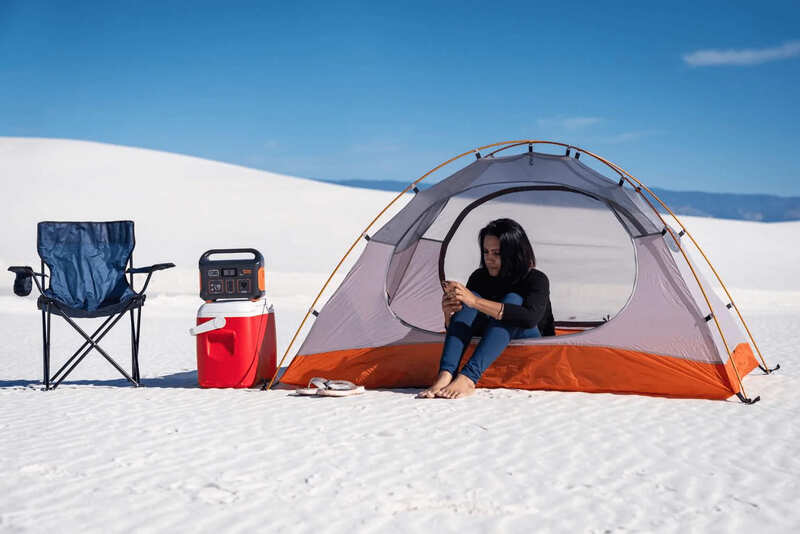
A portable power station is a great emergency backup power source. Portable power stations are rechargeable battery life powered generators that are usually small, lightweight, and easy to transport. They store energy and can power small appliances like phones and laptops or larger devices like TVs and refrigerators.
Most portable power stations have fast charging abilities via a standard outlet; some even have solar panels. Depending on the size and battery capacity of the portable power station, it can provide enough power for several devices or even an entire household in the event of a power outage.
While portable power stations are not a replacement for a backup generator, they can be a valuable addition to your emergency preparedness plan.
Benefits Of A Portable Power Station
Now that we know what a portable power station is, let’s look at some of the benefits that make it so handy.
They’re Portable
As the name suggests, one of the main benefits of a portable power station is that it’s portable. Unlike a generator, which needs to be stored in a specific location, a portable power station can be easily moved around as needed. This makes them ideal for emergencies when evacuating your home or office.
They’re Quiet
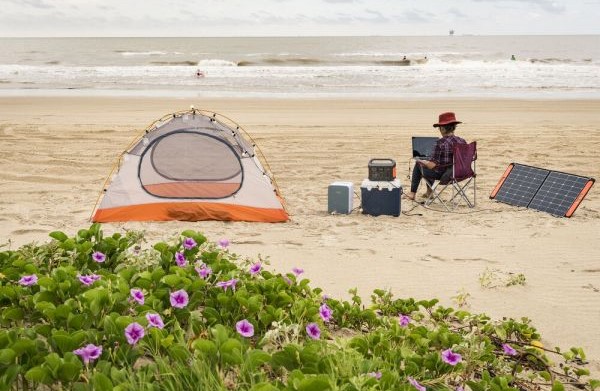
Another great benefit of portable power stations is that they’re much quieter than generators. This is important in an emergency when you need to be as stealthy as possible. This also makes them ideal for camping trips or outdoor activities when you don’t want to disturb the peace.
They Don’t Require Fuel
Unlike generators, which run on gasoline or diesel, portable power stations are battery-powered. You don’t need to worry about storing fuel or keeping it fresh. Charge the batteries before you use the power station, and you’ll be ready.
They Have A Long Shelf Life
When properly maintained, a portable power station can have a shelf life of up to 10 years. That means you can store it in your home or office without worrying that it doesn’t go well.
They’re Environmentally Friendly
A portable power station is an excellent option if you’re looking for an environmentally friendly way to power your home or office. Since they don’t use fossil fuels, they don’t produce harmful emissions.
What Is A Home Power Station?

A home power source is a complete power solution for your home or office. Unlike portable power stations, designed for emergency use, home power sources are intended for everyday use.
Home power sources are typically more significant than portable ones and can power everything from small to large appliances like air conditioners. Most home power sources use batteries, but some models also include a backup generator.
Benefits Of A Home Power Source
Have you ever wondered what it would be like never to worry about a power outage or the high cost of your electric bill again? A home power source can make that a reality. Here are some of the benefits of owning a home power source.
They’re Reliable
Who wants to be without power during a heatwave or a cold snap? A home power source will keep your lights on and your fridge running no matter what the weather is doing outside. In the past 20 years, there has been an increasing number of power outages due to severe weather and other natural disasters. A home power source can give you peace of mind knowing that these outages won’t affect you.
You’ll Save Money
Home power sources can help you save money in two ways. First, using solar panels to generate power will reduce your dependence on the grid. Second, you’ll be eligible for government rebates and other incentives by powering your home with renewable energy.

They’re Scalable
Home power sources can be easily expanded as your needs change. If you start with a small system to power your essential appliances and add more solar panels or batteries later, you can increase your power output as your budget allows.
They’re Environmentally Friendly
Ever worried about your carbon footprint? A home power source powered by solar panels generates zero emissions, making it a great way to go green. With the threat of climate change looming, more people are looking for ways to reduce their environmental impact.
They Increase Your Home’s Value
A well-designed home power source can increase your home’s value. Not only will it make your home more attractive to eco-conscious buyers, but it will also make it more resistant to power outages, which can be a significant selling point in some areas.
You Can Charge Your Electric Car
In this ever-changing world, predicting what the future will bring is hard. But one thing is sure: electric cars are here to stay. If you own an electric car, a home power source can charge it overnight. And if you don’t own an electric car yet, a home power source will make your home future-proof if you decide to buy one.
Portable Power Station Vs. Home Power Source
According to the U.S. Energy Information Administration, the duration of a blackout in the U.S. has increased from an average of 4 hours in 2013 to almost 8 hours in 2020.
With the frequency and duration of power outages rising, more and more people are turning to portable and home power sources to keep their lights on and appliances running. But which one is right for you?
Scenario 1: Power Outage
If you live in an area prone to power outages, a portable power station and a home power source can keep your lights on and your appliances running during an outage. However, a home power source is the better choice for two reasons. First, home power sources can store more energy than portable power stations because they’re larger. This means that they can provide power for a more extended period. Second, home power sources are connected to the grid, so they can recharge themselves when the power comes back on. Portable power stations, on the other hand, must be manually recharged.
Scenario 2: Camping/RV-ing
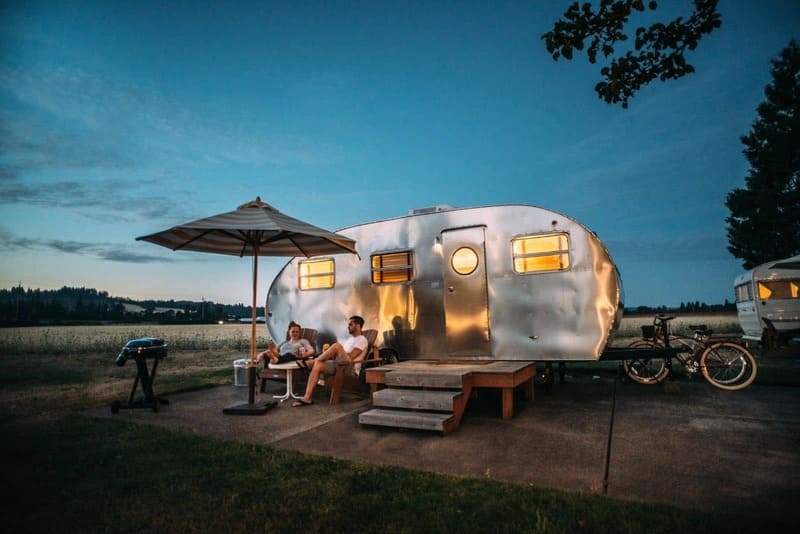
A portable power station is an obvious choice if you enjoy camping or RVing. They are small and easy to transport, making them the perfect way to power your camping gear. And because they’re not connected to the grid, they can be used anywhere—even in remote areas without electricity.
Scenario 3: Off-Grid Living
Are you thinking of going off-grid? A home power source is a good option. While portable power stations can be used in off-grid situations, they’re not designed for long-term use. On the other hand, home power sources are made to provide power for an entire home. And because they’re connected to the grid, they can recharge themselves when the sun isn’t shining.
No matter your needs, there’s a powerful solution that’s right for you. Portable power stations are great for short-term use, while home power sources are better for long-term use. So, the next time you’re in the market for a power solution, consider all your options.
Comparison Table
Still not sure which power solution is right for you? Use this comparison table to help you decide.
| Feature | Portable Power Station | Home Power Source |
| Power Output | X | |
| Runtime | X | |
| Weight and Size | X | |
| Portability | X | |
| Features | X | X |
| Durability | X | |
| Efficiency | X | |
| Flexibility | X | |
| Scalability | X | X |
| Maintenance | X | |
| Cost | X |
Power Output
The power output of a portable power station is measured in watts. The higher the wattage, the more influential the portable power station. Home power sources have a higher wattage than portable power stations and can handle more demanding appliances and electronic devices.
Runtime
The runtime of a portable power station is the amount of time it can provide power for your devices before they need to be fully charged. Home power sources with extra batteries have a longer runtime than portable power stations and can provide power for days or weeks.
Weight And Size
Portable power stations are smaller and lighter than home power sources, making them easier to transport and set up. Home power sources are larger and heavier but offer more power and features.
Portability
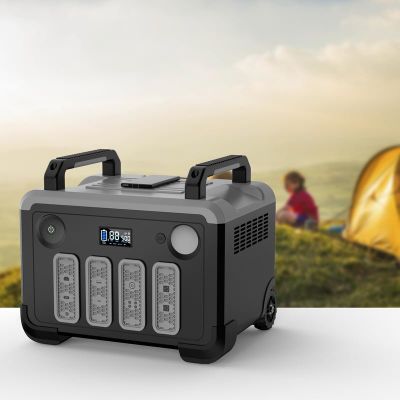
Portable power stations are designed to be easy to transport. They often have handles or wheels. Home power sources are not as portable, but some models come with wheels.
Features
Portable power stations often have features such as USB ports, AC outlets, and solar panels. Home power sources usually have more features than portable power stations, such as backup generators and inverters.
Durability
Portable power stations are designed to be durable. They can withstand being dropped or bumped. Home power sources are also built to last but are not as rugged as portable ones.
Efficiency
The efficiency of a portable power station is the amount of power it can generate compared to the amount of fuel it uses. Home power sources are more efficient than portable ones because they can run for extended periods without refueling.
Flexibility
Portable power stations are more flexible than home power sources. They can be used in a variety of locations and can be easily transported. Home power sources are not as flexible as portable ones, but some models come with wheels for easy movement.
Scalability
The scalability of a portable power station is the ability to add more units to increase the amount of power it can generate. Home power sources are not as scalable as portable power stations, but some models come with backup generators that can increase the amount of power they generate.
Maintenance
Portable power stations require less maintenance than home power sources. They often have features such as self-cleaning solar panels and automatic shut-off. Home power sources require more maintenance than portable power stations, but some models have features such as backup generators and inverters that can help reduce the required maintenance.
Cost
Portable power stations are less expensive than home power sources. They often have features such as solar panels and AC outlets, making them less expensive. Home power sources are more expensive than portable ones but offer more power and features.
Frequently Asked Questions

- What can you run on a portable power station? You can run most small appliances and electronics on a portable power station, including lights, phones, laptops, and TVs. However, because portable power sources are not as powerful as home power sources, you won’t be able to run large appliances or power multiple devices simultaneously.
- How long can you run a portable power station? It depends on the size of the mobile power station and the devices you’re running. Most small portable power stations will last 5-10 hours, while larger ones can last 20 or more. To calculate how long your mobile power station will last, divide the total capacity (in watts) by the average power consumption of your devices (in watts). For example, if you have a portable power station with a capacity of 1000W and you’re running a phone and a laptop that each uses an average of 20 watts, you can expect the portable power station to last for 25 hours (1000/20 = 50; 50/2 = 25).
- What is a home power source? A home power source is a larger, more powerful version of a portable power station. It is typically used to power entire homes or businesses during blackouts or other emergencies. However, its size and power make it less portable than portable power stations and can be challenging to store.
- How long will a home power source last? Like portable power stations, a home power source’s length depends on the unit’s size and the devices you’re running. However, home power sources can typically run longer than portable ones because they’re more powerful.
Conclusion
It doesn’t matter if you choose a portable or a home power source, as long as you have a plan for when the electricity goes out. Both can be sold separately.
Both will give you the power to keep your lights on and your devices charged. However, use a portable power station or power banks if you want the most portability and flexibility. If you need more power and are willing to sacrifice some portability, go with a home power source.