
What Are The Energy Resources In The Philippines?

The Philippines faces a big challenge in meeting energy demands due to its growing economy and population. It relies heavily on different energy sources to power homes, businesses, and infrastructure.
What Are The Energy Resources In The Philippines?
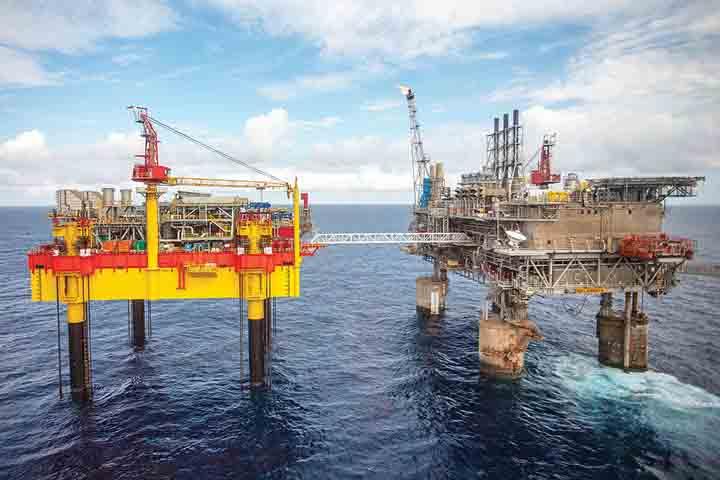
The Philippines has diverse energy resources, including fossil fuels such as coal, oil, and natural gas, which have been the main sources historically. However, there’s now a shift towards using renewable energy to lessen dependence on fossil fuels and address environmental concerns.
Fossil Fuels
Fossil fuels continue to play a significant role in the energy mix of the Philippines. Coal remains the dominant source of electricity generation, contributing to the country’s energy security. The Philippines also imports considerable oil and natural gas to meet its energy demands.
Renewable Energy Sources

The Philippines is rich in renewable energy resources, making it an ideal candidate for clean energy development. Among the country’s most prominent renewable energy sources are geothermal, hydropower, solar, wind, and biomass.
- Geothermal Energy. The Philippines is the second-largest producer of geothermal energy globally. Thanks to its location in the Pacific Ring of Fire. Geothermal power plants tap into the Earth’s heat to generate electricity. The country’s numerous geothermal fields substantially contribute to its renewable energy capacity.
- Hydropower. Hydropower is crucial in the Philippines’ energy sector. The country’s many rivers and waterways provide opportunities for generating electricity. Both large-scale hydroelectric dams and smaller run-of-river systems add to the country’s energy supply.
- Solar Energy. The Philippines, with its tropical climate and abundant sunlight, has great potential for solar energy. Solar installations, like rooftop panels and large solar farms, have increased recently. Solar energy helps cut greenhouse gas emissions and offers decentralized power, especially in rural areas.
- Wind Energy. The Philippines’ long coastlines and favorable winds make wind energy a good option for power generation. Wind farms across the country harness wind power to produce clean and sustainable energy.
- Biomass Energy. Biomass, from organic materials like agricultural waste, contributes to the Philippines’ renewable energy sector. Biomass power plants convert this waste into biogas, which generates electricity. This process reduces waste and provides extra income for farmers.
Energy Resources Challenges In The Philippines

The Philippines faces urgent energy challenges. With a fast-growing population and expanding economy, the country struggles to meet rising energy demands while maintaining sustainability and affordability.
Limited Energy Resources
The Philippines relies heavily on imported fossil fuels, especially oil and coal, to meet its energy needs. This dependence makes it vulnerable to global price changes and geopolitical risks. To improve energy security, the country needs to develop its energy resources and diversify its energy mix.
High Electricity Costs
Filipinos pay some of the highest electricity rates in Southeast Asia. This high cost is due to reliance on imported fuels, transmission losses, and inefficient power generation. Developing renewable energy and improving energy efficiency can help lower these costs for consumers and businesses.
Lack Of Energy Access
Despite progress, many Filipinos, especially in remote and rural areas, still lack reliable electricity. Extending the power grid and using off-grid solutions like renewable energy microgrids are essential to provide energy access for all and support inclusive development.
Environmental Impact
The Philippines’ energy sector contributes to environmental problems like air pollution, deforestation, and greenhouse gas emissions. Fossil fuel burning for electricity and transportation worsens these issues. To reduce environmental damage and fight climate change, the country needs to shift to cleaner and renewable energy sources. Also, promote energy efficiency and adopt sustainable practices.
Aging Energy Infrastructure
Policy And Regulatory Framework
Complex energy policies and regulatory processes can hinder investment and innovation in the sector. Simplifying regulations, ensuring transparent decision-making, and creating a stable policy environment will encourage more private sector involvement and boost renewable energy and energy efficiency efforts.
To tackle these energy challenges, the Philippines needs a comprehensive approach involving government support, private investments, and public engagement. Embracing renewable energy, improving energy efficiency, and promoting sustainable development will help create a resilient, affordable, and environmentally friendly energy future.
FAQs

- What is the current energy mix in the Philippines? The Philippines’ current energy mix includes fossil fuels such as coal, oil, and natural gas, alongside renewable energy sources like geothermal, hydroelectric, solar, wind, and biomass.
- How does the Philippines promote renewable energy? The Philippines encourages renewable energy through initiatives like feed-in-tariffs, tax incentives, net metering programs, and simplified permitting processes. These efforts are designed to attract investments in renewable energy projects and speed up their development.
- Are there any energy conservation programs in the country? Yes, the Philippines has energy conservation programs in place. Moreover, these programs focus on raising awareness about energy efficiency, promoting energy-saving practices in residential and commercial sectors, and implementing energy-efficient technologies.
- What are the main challenges in the energy sector? The main challenges in the energy sector include environmental concerns related to fossil fuel use, energy security due to dependence on imports, and the need for infrastructure development to support renewable energy projects.
- How can individuals contribute to a sustainable energy future? Individuals can contribute to a sustainable energy future by adopting energy-efficient practices in their daily lives, such as conserving electricity, using energy-saving appliances, and considering renewable energy options for their homes. Additionally, supporting government initiatives and advocating for renewable energy policies can drive positive change in the energy sector.
Conclusion

The Philippines has various energy resources: fossil fuels and renewables. Fossil fuels still dominate, but there’s a push towards cleaner options. Government initiatives like the Renewable Energy Act, National Renewable Energy Program, and incentives such as the Feed-in Tariff support this shift. By harnessing renewable energy, improving infrastructure, and promoting energy efficiency, the Philippines aims for a sustainable and secure energy future.