
Top 10 Countries Leading In Renewable Energy Adoption
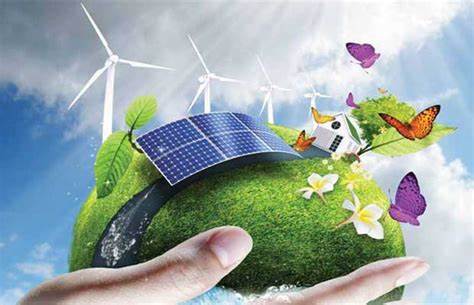
As the world works harder to fight climate change, renewable energy adoption is now a key part of sustainable development. Many countries are using solar and wind power.
They are also investing in hydropower and bioenergy. These actions show their commitment to the green revolution. Below are the top 10 countries that have emerged as leaders in renewable energy adoption.
China
China is the undisputed leader in renewable energy, thanks to its massive investments in solar, wind, and hydropower. As of 2024, China accounts for nearly one-third of the world’s renewable resource country energy capacity.
The country is working toward carbon neutrality by 2060. It has projects like the Three Gorges Dam and a large solar farm network. China is one of the countries with highest renewable energy and is also the country using most renewable energy.
- Notable Achievement: World’s largest producer of solar panels and wind turbines.
- Renewable Share: Over 40% of its energy capacity is from renewables.
United States
The United States has made significant strides in renewable energy adoption, with solar and wind energy leading the charge. States like California and Texas are at the forefront of this transition, driven by government incentives and private-sector investments.
- Notable Achievement: Texas is the global leader in wind power generation.
- Renewable Share: 23% of total electricity generation comes from renewables (2023).
India
India has positioned itself as a renewable energy growth powerhouse, with ambitious goals to achieve 500 GW of renewable capacity by 2030. Solar energy dominates India’s renewable portfolio, bolstered by vast solar farms such as the Bhadla Solar Park.
- Notable Achievement: Home to one of the world’s largest solar parks.
- Renewable Share: 40% of installed power capacity comes from renewables.
Germany
Germany is one of the countries that have renewable resource, thanks to its Energiewende (energy transition) policy. The country’s strong focus on wind and solar power has made it a global leader in adopting clean energy technologies.
- Notable Achievement: First major economy to announce a complete coal phase-out by 2038.
- Renewable Share: Over 46% of electricity is from renewable sources.
Brazil
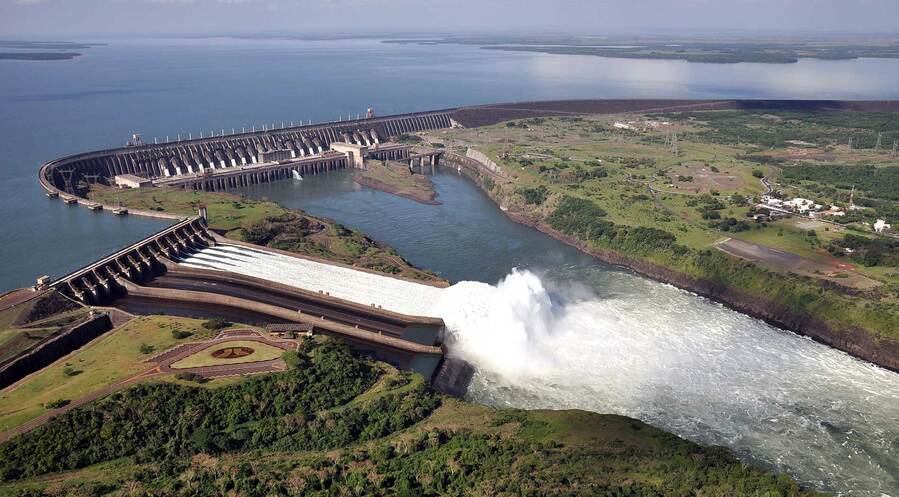
Brazil leverages its natural resources to excel in renewable energy worldwide, particularly hydropower and bioenergy. The Itaipu Dam, one of the largest in the world, underscores Brazil’s commitment to clean energy.
- Notable Achievement: Second-largest producer of hydropower globally.
- Renewable Share: Over 84% of electricity comes from renewables.
Sweden
Sweden is a pioneer in global renewable energy, with ambitious goals to eliminate fossil fuels entirely. Hydropower, wind, and bioenergy dominate its energy mix, making it one of the greenest countries in the world.
- Notable Achievement: Targeting 100% renewable electricity by 2040.
- Renewable Share: Over 54% of total energy consumption.
Spain
Spain is a leader in wind energy, with significant contributions from solar power. Its commitment to renewable energy is evident in its efforts to shut down coal plants and increase renewable capacity.
- Notable Achievement: One of Europe’s top producers of wind energy.
- Renewable Share: 44% of electricity comes from renewables.
Denmark
Denmark has set a global benchmark for wind energy, producing nearly half of its electricity from wind turbines. The country aims to achieve carbon neutrality by 2050, with plans to expand offshore wind capacity.
- Notable Achievement: First country to generate over 40% of its electricity from wind.
- Renewable Share: Approximately 50% of electricity from renewables.
Norway
Norway boasts an impressive renewable energy profile, primarily due to its vast hydropower resources. The country’s surplus electricity from renewables allows it to export clean energy worldwide.
- Notable Achievement: Hydropower accounts for nearly 95% of its electricity production.
- Renewable Share: Close to 100% of electricity comes from renewables.
Australia
Australia’s vast landscapes make it ideal for solar and wind energy. Over the past decade, the country has significantly increased its renewable energy capacity, spurred by supportive policies and technological advancements.
- Notable Achievement: Home to one of the highest rooftop solar adoption rates globally.
- Renewable Share: Over 35% of electricity comes from renewables.
Key Trends Driving Renewable Energy Adoption
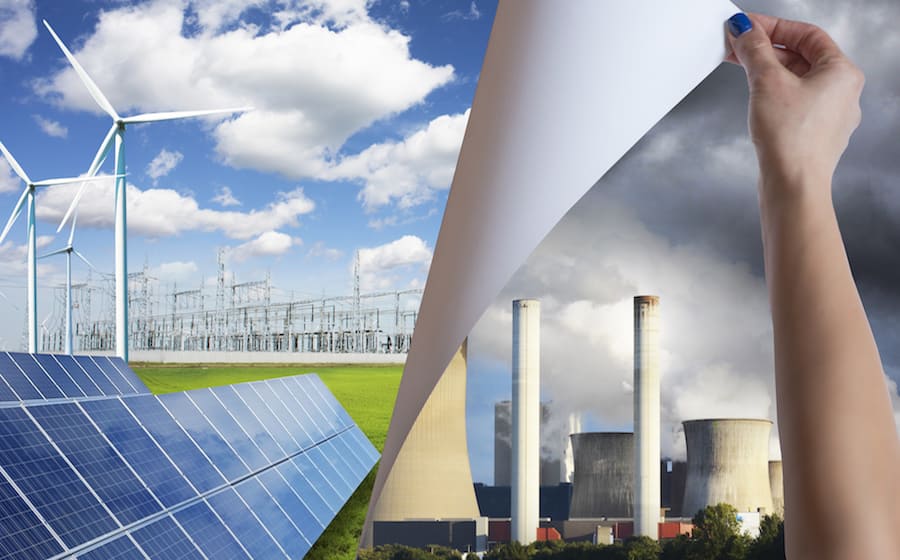
Renewable energy adoption is accelerating due to several key trends:
- Falling Costs. Solar, wind, and battery storage are becoming more affordable, rivaling traditional energy sources.
- Supportive Policies. Governments worldwide are offering incentives and setting global renewable energy solutions targets.
- Corporate and Consumer Demand. Businesses and individuals are seeking sustainable energy options to reduce carbon footprints.
- Technological Innovations. Advancements in storage, smart grids, and efficiency are improving reliability and accessibility.
- Energy Security. Countries are reducing reliance on imported fuels by investing in local renewables.
- Climate Goals. Global efforts to cut emissions and carbon pricing are pushing the shift to cleaner energy.
These factors are shaping a future where renewables play a central role in energy systems.
Conclusion
The global push for renewable energy adoption is more vital than ever. These ten countries with clean energy are leading the way. However, they face challenges in keeping growth steady. They must also overcome technical barriers.
It is important to ensure fair access to clean energy for everyone. With continued efforts, renewable energy can pave the way for a sustainable and carbon-neutral future.
The top 10 countries leading in renewable energy adoption are setting benchmarks in global electricity generation. By expanding their installed capacity for renewable energy technologies such as solar photovoltaic and hydropower generation, these nations are significantly reducing greenhouse gas emissions.
With solar capacity growing rapidly and renewable sources becoming the largest source of electricity supplied in many regions, their efforts align with the International Energy Agency’s vision for a sustainable energy future. These advancements demonstrate how investing in clean energy can transform the global energy landscape while addressing climate challenges.