
What Causes Battery Degradation?

Battery decay happens naturally, making batteries hold less power and work less well as time goes on. It’s important to know why this happens so we can make batteries last longer and use them better. This article will talk about why batteries get worse, and give easy tips to keep them working well for longer.
Understanding Battery Deterioration

Battery deterioration means batteries lose their power and don’t work as well over time. It happens because of chemical and physical changes inside the battery. Rechargeable batteries, like the ones in phones and electric car batteries, have cells that store and release energy using chemical reactions. When you charge and use them, these reactions change the battery’s insides, making it worse.
How much you use and charge the battery packs affects how quickly it gets worse. Using up lots of the battery’s power (deep discharge) and charging too fast can speed up this process by putting more stress on the battery’s parts and causing heat.
We can’t stop extending battery deterioration completely, but we can slow it down by treating batteries right. That means not letting them get too hot or too cold, not using up all their power, and charging them the right way.
Causes Of Battery Deterioration

Battery aging means batteries lose their ability to store and give out electricity slowly over time. It happens because of many different things.
Chemical Reactions
Charge Cycling
Charging and using a battery over and over again makes it wear out. Each time you do this, it puts stress on the battery, slowly breaking down its parts like the electrodes. How much energy you use up from a fully charged and discharged battery also affects how quickly it wears out. Using up more energy makes it wear out faster.
Temperature
Hot temperatures make batteries work worse and die faster because the chemical reactions inside them speed up. Cold temperatures slow down these reactions and make batteries less efficient. Using batteries in the right temperature range helps them last longer.
State Of Charge
How full a battery is (SoC) compared to its maximum battery capacity affects how quickly it wears out. Batteries kept very full or very empty for a long time wear out faster. It’s best to keep batteries in the middle of their recommended SoC range to make them last longer.
Calendar Aging
Even when not being used, batteries slowly get worse over time, which is called calendar aging. Over time, they lose power because of things like self-discharge and other chemical changes happening inside. How quickly this happens depends on factors like temperature, how full the battery is, and what kind of battery it is.
Overcharging and Discharging
Putting batteries in very high or very low voltage situations makes them wear out faster. Fast charging a battery too much stresses it out and can make unwanted stuff grow inside, which can break the battery. Using up too much of the battery’s power can also damage it permanently.
Effects Of Battery Deterioration

Battery wear and tear affects how batteries work and how long they last. Knowing about these effects helps us use batteries better and decide when to take care of them or get new ones. Let’s talk about how battery wear and tear affects things.
Reduced Capacity
As batteries get worse, they can’t hold as much energy. This means devices won’t run as long on a single charge, so they need to be charged more often or have the battery replaced.
Lower Voltage and Power Output
As batteries get worse, they don’t give out as much power. This means devices like electric cars and power tools won’t work as well because they need a lot of power to run properly.
Increased Internal Resistance
As batteries get worse, they resist the flow of electricity more. This means when devices use the battery, more energy is lost as heat, and the devices don’t work as well. Plus, the batteries can get hotter, making them get worse even faster.
Reduced Efficiency
When batteries get worse, they don’t use energy as well. This means more energy is lost as heat when charging and using them. So, to get the same amount of power, we need to put in more energy, which makes everything use more energy overall.
Voltage Sag and Voltage Irregularities
Worn-out batteries can sometimes lose voltage when they’re asked to give a lot of power quickly. This voltage drop can make devices stop working or shut down suddenly. Also, bad batteries might have voltage changes that can hurt delicate electronics or make electrical systems unstable.
Reduced Cycle Battery Lifespan
When batteries get worse, they can’t be charged and used as many times before they stop working well. This is important for things like renewable energy storage systems that need batteries to last a long time.
Safety Risks
Worn-out batteries can be dangerous. If bad stuff builds up inside, like dendrites, it can make the battery heat up too much or even catch fire. Also, bad batteries might stop working suddenly or lose voltage unexpectedly, which can make devices and systems unsafe to use.
Battery Deterioration In Different Devices
Battery wear and tear affects lots of devices that use batteries. Each device is different and how it’s used can make the battery get worse faster or slower. Let’s talk about how batteries get worse in different devices.
Mobile Phones and Tablets

Smartphones and tablets use batteries a lot because they’re portable. Using them every day means charging and using them often. If the batteries get worse, they won’t last as long, and the devices will need to be charged more often. Users might notice the devices not working as well and shutting down unexpectedly. When the battery gets weaker, the devices might not work as fast or respond as quickly.
Laptops and Ultrabooks

Laptops and ultrabooks need big batteries to work for a long time without being plugged in. If the batteries get worse, they won’t last as long, and the devices will need to be charged more often. Users might notice the devices not working as well and needing to be plugged in a lot. After some time, bad laptop batteries might not charge at all and need to be replaced to keep the devices working well.
Electric Vehicles (EVs)

Electric cars use big batteries to run. If these batteries degrade over time, the cars won’t go as far and won’t work as well. Charging and using the car a lot, especially in hot weather, can make the EV battery life worse faster. When the batteries don’t hold as much power, the car won’t go as far, won’t speed up as quickly, and will take longer to charge. To keep EV battery degradation over time and keep the car working well, it’s important to check the battery often and charge it the right way.
Uninterruptible Power Supply (UPS) Systems
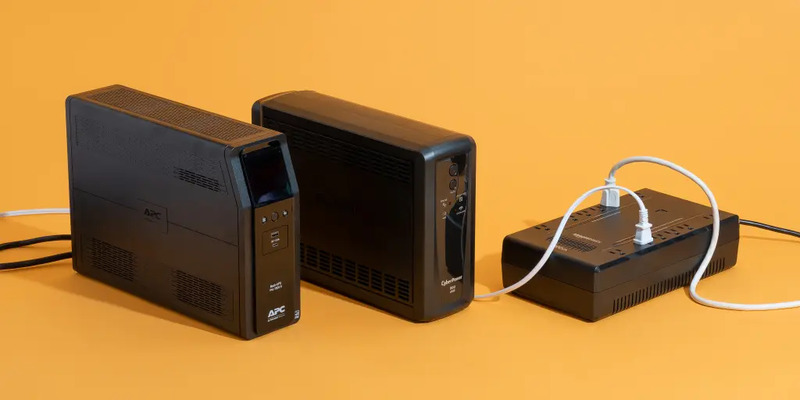
UPS systems give backup power when the electricity goes out to keep important equipment working. If the batteries in UPS systems get worse, they might not give enough power during emergencies. After some time, bad batteries might not work at all, causing downtime and lost work. It’s important to check the batteries often and replace them when needed to keep UPS systems reliable.
Renewable Energy Storage Systems

Batteries are important for storing renewable energy from sources like the sun and wind. If the batteries get worse, they might not store as much energy, which can make it harder for the system to work well, especially when there’s not much sun or wind. To stop batteries from getting worse, it’s important to control the temperature and keep track of how full they are.
Power Tools

Power tools that don’t need cords rely on batteries. If the batteries get worse, the tools won’t work as long, won’t be as strong, and will need to be charged more often. Users might notice the tools not working as well and needing more charging when they use them a lot. Checking the batteries regularly and changing them when needed keeps the tools working well and helps get the job done faster.
Medical Device

Medical devices like monitors and insulin pumps need batteries to work properly. If the batteries get worse, the devices can stop working well, which could be bad for patients. Weak batteries might mean the devices don’t last as long between charges, shut down unexpectedly, or give wrong readings.
Checking the battery often and changing it when needed is super important to keep medical devices working right and keeping patients safe. Knowing how bad batteries affect different devices helps users take care of them better and decide when to fix or replace them.
FAQs

- How long does battery goes through charge cycles? Battery deterioration rates vary depending on usage patterns, temperature exposure, and battery type. Generally, batteries show signs of degradation after a year or two of regular use. It can be years or 100,000 miles.
- Can overcharging damage a battery? Yes, continuous overcharging can stress the battery management system BMS and accelerate deterioration. It is recommended to use chargers with automatic shut-off features or intelligent charging station capabilities.
- Is battery calibration necessary? Battery calibration is beneficial for certain types of batteries to optimize their performance, particularly lithium-ion batteries. It helps recalibrate the battery’s monitoring system to provide accurate information about its charge level.
- Are there any software tools to monitor battery health? Many devices offer built-in battery management systems and health monitoring tools that provide information on the battery’s health, capacity, and degradation level. Additionally, there are third-party applications available for smartphones and computers that offer more detailed battery diagnostics.
- Can extreme cold temperatures affect battery deterioration? Extreme cold temperatures can temporarily affect battery performance but not directly accelerate degradation. However, avoiding exposing batteries to freezing temperatures for extended periods is still advisable, as it can impact their overall health and performance.
Conclusion

Battery decay happens naturally and can’t be stopped. It makes rechargeable batteries work less well over time. But if we know why it happens and how to prevent it, we can make batteries last longer. Charging them right, keeping them at the right temperature, and replacing them when needed can help a lot.