
Do Solar Panels Work In Cold Weather?

Solar panels have become very popular as a renewable energy source, using sunlight to make electricity. But many wonder: do solar cells work well in cold weather? Let’s explore how solar cells perform in cold climates and during winter.
Solar cells, also called PV panels, absorb sunlight and turn it into electricity using the photovoltaic effect. They are made of solar cells that produce electric current when sunlight hits them. While solar cells clearly work well in sunny, warm weather, it’s important to see how cold weather affects their performance.
How Solar Cells Work
Before we discuss how cold weather affects solar panel performance, it’s crucial to understand how solar cells function. Solar cells in the panels have layers of semiconducting material, usually silicon, with special electrical properties. When sunlight hits these cells, the sunlight’s photons energize the electrons in the semiconductor material, creating an electric current.
Factors Affecting Solar Panel Performance
Solar cells, also called PV modules, are vital for turning sunlight into electricity. Several factors affect their performance, influencing efficiency and overall power output. Knowing these factors is key to optimizing solar panel setups and maximizing solar energy use.
Sunlight Intensity
The strength of sunlight directly impacts how much energy a solar panel can produce. Areas with higher solar irradiance get more sunlight, which boosts power generation. Latitude, weather, time of day, and seasonal changes are factors that affect sunlight strength.
Angle Of Incidence
The angle at which sunlight hits the solar panel surface called the angle of incidence, influences how much energy is absorbed. Solar cells work best when sunlight strikes them directly. If the angle deviates from this optimal position, energy absorption decreases, leading to lower output.
Shading
Shadows on solar cells greatly reduce their efficiency. Even small shaded areas can cause a significant decrease in energy production. Shading can come from nearby buildings, trees, chimneys, or any object blocking sunlight. Proper panel placement and regular monitoring can reduce shading effects.
Temperature
Solar panels become less efficient as temperatures increase. Photovoltaic cells are sensitive to heat, which can raise resistance and lower electrical output. Therefore, ensuring good ventilation and proper installation is crucial to maintain optimal operating temperatures and maximize performance.
Soiling
Dirt, dust, pollen, bird droppings, and other debris on solar cells can decrease their ability to absorb sunlight. Regular cleaning is essential to maintain peak performance. The impact of dust and soiling varies based on location and environmental factors.

Quality Of Components
The quality and type of solar panel components, like photovoltaic cells, wiring, connectors, and inverters, greatly affect performance. Using high-quality materials and dependable manufacturing processes enhances efficiency and durability, ensuring better long-term performance.
Ageing And Degradation
Over time, solar cells may degrade in performance from UV radiation, environmental factors, and wear. Although designed for long lifespans, it’s crucial to monitor their performance regularly and consider factors like degradation and warranty coverage.
Maintenance And Cleaning
Regularly maintaining and cleaning PV modules is crucial for peak performance. Inspecting for loose connections and clearing debris and dirt from the surface helps maintain efficiency and extend the panel lifespan.
Electrical Losses
Electrical losses in the solar panel system, like resistive losses in wiring, connections, and inverters, can decrease performance. Proper installation techniques, such as using correct wire sizes and minimizing cable lengths, help reduce these losses.
System Design And Sizing
Carefully consider the design and size of the solar panel system to match energy needs. Factors such as panel quantity, orientation, configuration (series or parallel), inverter capacity, and system voltage affect performance and efficiency.
Cold Weather Effects On Solar Panel Performance

Cold weather can affect solar cell performance both positively and negatively. Surprisingly, solar cells can operate more efficiently in colder temperatures. However, certain aspects of cold weather can also pose challenges to solar panel performance.
Increased Efficiency
PV modules generally perform more efficiently in colder temperatures. Photovoltaic cells work on converting sunlight into electricity, and lower temperatures enhance the conductivity of the semiconductors in the cells. This increased conductivity allows for better electron flow, improving energy conversion efficiency.
Voltage Output
Cold temperatures can increase the voltage output of solar cells. As temperature drops, the voltage produced by each solar cell rises. This can be advantageous for off-grid or battery-based solar systems, as it can help charge batteries more effectively, especially during the winter when sunlight hours are limited.
Temperature Coefficient
PV modules have a temperature coefficient that describes how their performance is affected by temperature changes. While colder temperatures can enhance efficiency, solar cells also have a negative temperature coefficient, which means their power output decreases as the temperature rises. However, the impact of this decrease is usually minimal compared to the positive effects of cold weather.
Snow Coverage
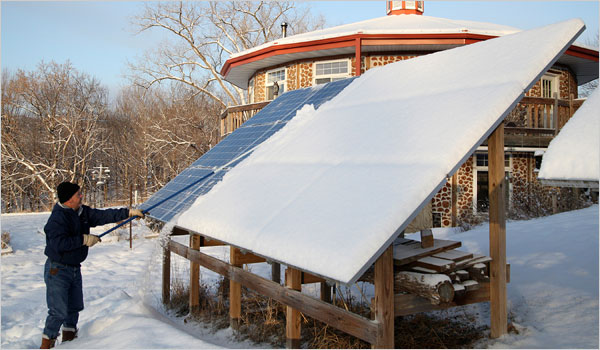
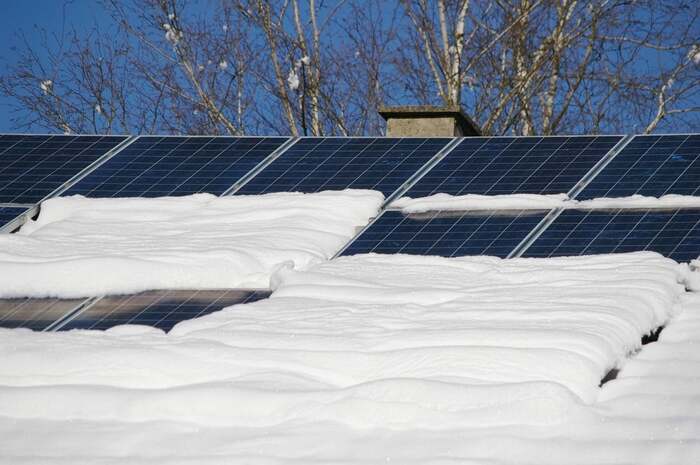
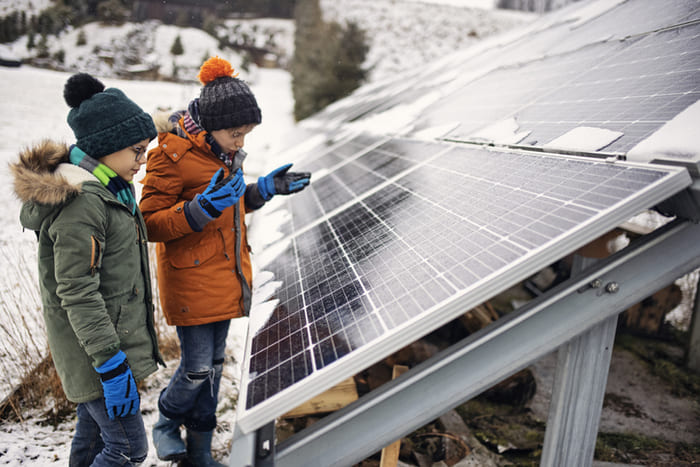
The accumulation of snow on solar cells can significantly reduce their performance. When covered in snow, solar cells cannot absorb sunlight, resulting in a temporary loss of energy production. Removing snow from the boards immediately is essential to restore their functionality. Techniques such as panel tilting, installing anti-reflective coatings, or utilizing heating systems can help prevent snow buildup.
Ice Formation
In frigid climates, ice formation on the surface of solar cells can impact their performance. Ice can obstruct sunlight from reaching the cells, reducing energy production. Regular inspection and ice removal are necessary to maintain optimal performance during icy conditions.
Shading And Obstructions
Winter months may bring about changes in the surrounding environment, such as tree growth or shadows from nearby structures. Shading and obstructions can block sunlight from reaching solar cells, decreasing energy generation. Monitoring and trimming any overhanging branches or promptly addressing shading issues is crucial.
Reduced Daylight Hours
During winter, days are shorter, and daylight hours decrease. Solar cells have less time to generate electricity with fewer hours of sunlight. This decrease in daily energy production is essential when designing and sizing solar panel systems for cold-weather regions.
Extreme Temperature Swings
Rapid temperature fluctuations, especially from freezing to thawing conditions, can challenge the structural integrity of solar cells. These temperature swings can cause expansion and contraction, potentially leading to micro-cracks or other forms of damage. High-quality solar panel installations that account for thermal expansion and utilize durable materials can help mitigate these risks.
Maintenance Considerations
Cold weather conditions may make accessing and maintaining solar panel systems more challenging. Snow, ice, and slippery surfaces can hinder maintenance activities. However, regular cleaning, snow removal, and inspections are crucial to ensure optimal performance and longevity of the panels.
System Monitoring
Monitoring the performance of solar cells during cold weather is essential. System monitoring tools can help detect issues like reduced output or malfunctions and allow for timely interventions. Monitoring can also provide valuable insights into system efficiency and help optimize energy production.
Benefits Of Solar Panels In Cold Weather

Solar cells are often associated with sunny and warm climates but offer several benefits in cold weather conditions. While it is true that solar cells perform more efficiently in colder temperatures, there are additional advantages that make them a valuable renewable energy solution in cold climates.
Increased Efficiency
Solar cells operate more efficiently in cold temperatures. The performance of photovoltaic cells improves as the temperature drops. Cold weather enhances the conductivity of the semiconductors in the cells, resulting in better electron flow and increased energy conversion efficiency. This means solar cells can generate more electricity per unit of sunlight received, maximizing their output in cold climates.
Snow Reflection
The presence of snow in cold weather can contribute to increased solar panel performance. The white surface of snow reflects sunlight, creating a brighter environment for PV modules. This reflection can enhance the overall solar irradiance and the amount of energy absorbed by the panels. Additionally, the angle of the snow-covered ground can act as a natural reflector, allowing sunlight to reach the boards from different directions, further increasing their exposure.
Efficient Battery Charging
Cold weather often coincides with shorter daylight hours, limiting the time available for solar energy production. However, solar panels in cold weather can efficiently charge batteries used in off-grid or hybrid solar systems. The increased voltage output of solar cells in lower temperatures can help overcome the reduced sunlight hours, ensuring effective battery charging and energy storage during the winter months.
Reduced Heat Loss
Solar panels generate electricity through the photovoltaic effect, converting sunlight into electrical energy. One of the byproducts of this process is heat. In colder climates, solar cells have the advantage of experiencing reduced heat loss. Cold temperatures help dissipate heat more effectively, preventing energy loss due to excessive heat buildup. This leads to improved overall system efficiency and performance.
Durability
Solar panels are designed to withstand various weather conditions, including cold temperatures. High-quality solar cells are built with durable materials that resist extreme temperatures and fluctuations. Their robust construction ensures they can endure freezing temperatures, ice, and snow without compromising functionality. This durability makes solar cells a reliable and long-lasting renewable energy solution for cold weather regions.
Environmental Benefits
Solar panels in cold weather offer the same environmental benefits as those in warmer climates. They generate clean and renewable energy, reducing reliance on fossil fuels and greenhouse gas emissions. Cold weather often coincides with increased energy demands for heating, making solar panels a t in offsetting energy consumption and reducing carbon footprints during the winter se.
Econvings
Solar panels in cold weather can contribute to significant economic savings. The increased efficiency of solar cells in lower temperatures means they can generate more electricity per unit of sunlight received. This translates to higher energy production and potential cost savings on utility bills, especially in regions where electricity prices tend to rise during winter. Additionally, solar cells can provide a reliable and stable energy source, reducing dependence on fluctuating energy prices.
Grid Independence
Solar cells in cold weather can offer greater energy independence in remote areas or regions with unreliable grid infrastructure. These systems can provide a reliable source of electricity, even during harsh winter conditions when power outages are more common. By harnessing solar energy, individuals and communities can ensure a consistent power supply for heating, lighting, and other essential needs, regardless of grid availability.
Renewable Energy Credits
In certain regions, solar energy generation, even in cold weather, can qualify for renewable energy credits or other incentives. These financial incentives can further offset the costs of solar panel installations and provide additional economic benefits for homeowners, businesses, or organizations that embrace solar power in cold climates.
Tips For Maximizing Solar Panel Efficiency In Cold Weather
Cold weather can present unique challenges for solar panel efficiency, but several strategies can be employed to optimize their performance in such conditions. By implementing these tips, you can maximize the energy output of your solar cells and make the most of the available sunlight during cold weather.
Clear Snow And Debris
Regularly remove snow, ice, and any debris from the surface of your solar cells. Snow coverage can significantly reduce energy production, so it’s essential to clear it immediately. Use a soft-bristled brush or a snow rake for solar cells to remove snow gently. Avoid using sharp tools or excessive force to prevent damage to the panel surface.
Tilt Panels Or Use Mounting Systems
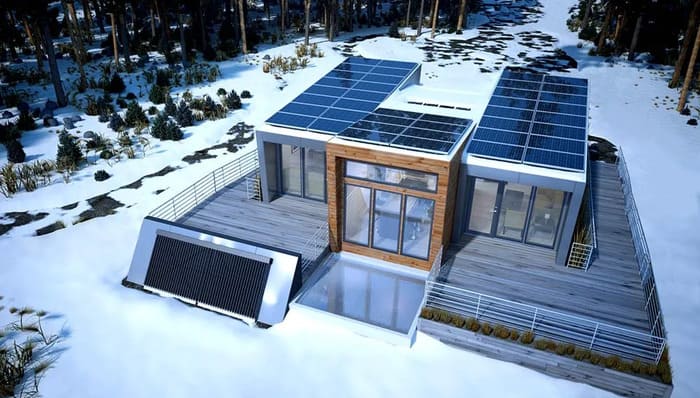
Consider tilting the solar panels at an angle during the winter months. This helps snow and ice slide off more efficiently, reducing the duration of coverage and increasing overall energy production. Alternatively, a mounting system that allows for adjustable angles can help optimize the panel’s exposure to sunlight and improve efficiency.
Optimize Panel Placement
If possible, choose a location for your PV modules that receives maximum sunlight exposure throughout the day. Avoid shading from nearby objects such as trees, buildings, or structures that can obstruct sunlight. Analyze the winter sun’s path and adjust to ensure optimal placement for maximum energy absorption.
Monitor And Maintain Battery Systems
Cold weather can affect battery performance and efficiency. If you have a battery storage system, monitor and maintain it regularly. Ensure that batteries are properly insulated to protect them from extreme temperatures. Optimize the charging and discharging cycles of the batteries to maximize their efficiency and lifespan.
Clean The Panels
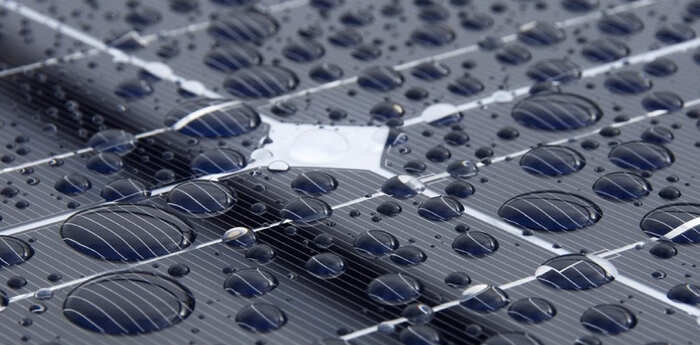
Maintain a regular cleaning schedule for your solar cells, even in cold weather. Dirt, dust, and other accumulated debris can hinder the panel’s ability to absorb sunlight effectively. Clean the surface with a soft cloth or sponge and a mild, non-abrasive cleaning solution. Avoid using harsh chemicals or abrasive materials that could damage the panel surface.
Consider Heating Systems
In regions with prolonged cold spells, installing heating systems for PV modules can be beneficial. Heating elements or systems that prevent snow and ice buildup can help maintain panel performance during freezing conditions. These systems are designed to activate automatically when needed, ensuring continuous energy production.
Monitor Performance
Install a monitoring system to keep track of your solar panel’s performance. Monitoring allows you to detect any issues or abnormalities promptly. By monitoring energy production, you can identify and address any performance degradation caused by cold weather conditions, shading, or other factors. Regular monitoring helps ensure optimal efficiency and allows for timely maintenance or adjustments.
Work With Professionals
Engage with solar energy professionals or consult with installers experienced in cold weather installations. They can provide expert advice on system design, panel selection, and best practices for optimizing solar panel efficiency in cold weather. Their knowledge and expertise will help ensure that your solar panel system is tailored to colder climates’ specific challenges and requirements.
Consider Insulation And Sealing
Properly insulate and seal any connections, wiring, and junction boxes associated with your solar panel system. Cold temperatures can impact the efficiency of these components. Insulation and sealing help minimize heat loss, reduce the risk of moisture penetration, and maintain system efficiency during cold weather conditions.
Educate Yourself
Stay informed about best practices and technological advancements in solar panel installations for cold weather regions. Keep updated with industry developments and research on optimizing solar panel efficiency in cold climates. By staying educated, you can make informed decisions and use new strategies and technologies to enhance your solar panel’s performance.
FAQs

- Can solar panels generate electricity in freezing temperatures? Yes, solar cells can generate electricity in freezing temperatures. While their efficiency may be slightly reduced, they continue to produce power as long as sunlight is available.
- Do solar panels work during snowy days? Solar panels can still generate electricity on snowy days, although their energy production may be lower due to reduced sunlight reaching the panels. Snow removal techniques can help maintain their performance.
- Will cold weather damage solar cells? Cold weather itself does not typically damage solar panels. However, it is essential to ensure they are installed correctly and are not subject to extreme conditions, such as heavy ice buildup or falling objects.
- Do solar modules need to be cleaned in cold weather? Regular cleaning of PV modules is recommended to maintain their efficiency. While snow and ice can naturally slide off the panels, cleaning them of debris and dirt can enhance their performance.
- Can PV modules help reduce heating costs in cold climates? PV modules primarily generate electricity, but specific systems can also be designed to harness solar energy for heating purposes. These systems can contribute to reducing heating costs in cold climates.
Conclusion
In conclusion, PV modules can indeed work effectively in cold weather conditions. While their efficiency may be slightly reduced due to temperature and snow or ice coverage, they continue to generate electricity and offer cost savings. By implementing proper positioning, monitoring, and maintenance, the performance of solar cells in cold climates can be optimized.