
What Is Electricity Generation?

Electricity is essential to modern life. It powers our homes, industries, and technologies. We rely on it for lighting, heating, cooling, and many other activities. But have you ever wondered how we can produce electricity?
Introduction

Electricity generation means turning different types of energy into electrical energy. This includes changing mechanical, chemical, thermal, or other kinds of energy into electricity that powers things like devices and infrastructure. Knowing how power is made helps us use energy wisely and support sustainability.
What Is Electricity Generation?

Electricity generation is making electrical energy from different sources. It means changing mechanical, chemical, thermal, or nuclear energy into electrical power. This process is super important because it gives us the energy we need for lighting, heating, transportation, industry, and using electronic devices. Learn more about electricity generation capacity and energy information administration.
Importance Of Power Production

Electricity is super important in modern life. It powers everything from homes to industries to new technology. Without it, things would stop working. Hospitals, schools, and even transportation need electricity to run. It’s a big deal for keeping people safe, helping the economy grow, and making life better.
Businesses also need electricity to run smoothly and make things. It helps them be more productive and create jobs. Plus, it helps new industries grow and encourages new ideas, making the economy stronger.
Electricity isn’t just for powering stuff. It helps in healthcare, communication, transportation, and entertainment too. Hospitals use it for life-saving equipment, and the internet relies on it to connect people. Electric vehicles and trains also help reduce pollution. This makes the world cleaner and healthier.
Types Of Power Production
Several methods are used for power production. Each has its advantages, disadvantages, and environmental impact. Let’s explore the most common types of power production:
Fossil Fuels Power Plants
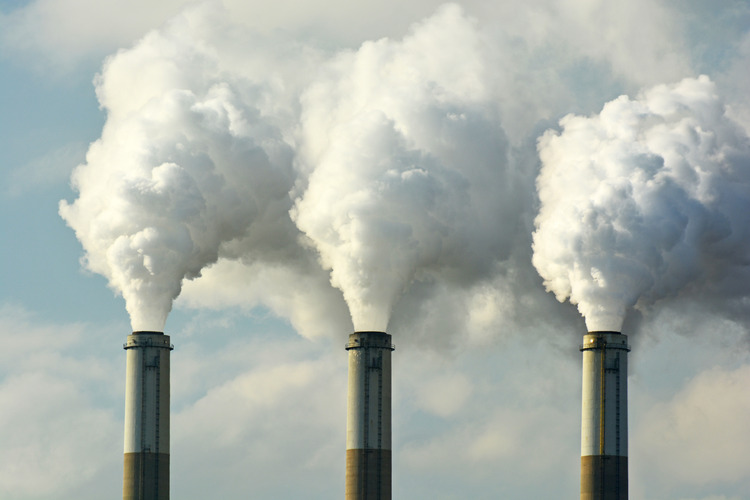
Fossil fuels nuclear power plants are everywhere. They burn coal, natural gas, or oil to make heat. This heat makes steam, generated from fossil fuels, which spins a steam turbine connected to a generator, making electricity.
Coal Power Plants
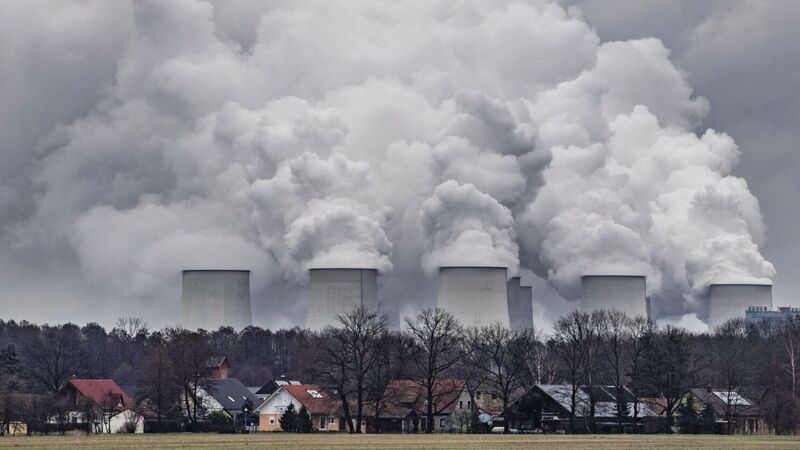
Coal power plants make a big chunk of our electricity. They burn coal to make steam, which spins the turbines to generate electricity. But burning coal lets out lots of greenhouse gases and other bad stuff. This makes the air dirty and messes with the climate.
Natural Gas Power Plants
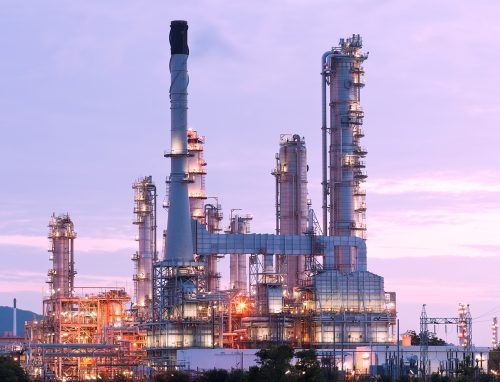
Natural gas power plants use natural gas turbines to make electricity. They produce less carbon dioxide than coal plants, so they’re cleaner. Plus, they can change how much power they make quickly. It helps keep the electrical grid stable.
Oil Power Plants
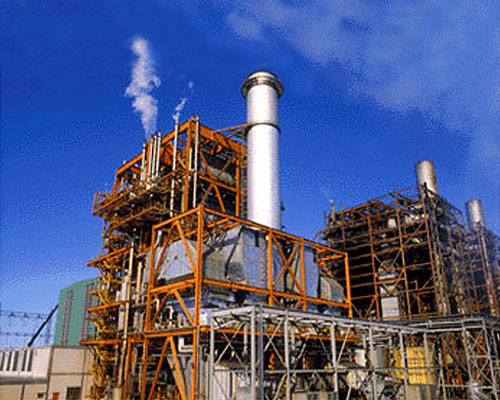
Oil power plants burn oil to make electricity. They’re not as popular because oil costs more. Also, it causes more environmental problems when it’s taken out of the ground and burned.
Nuclear Power Plants
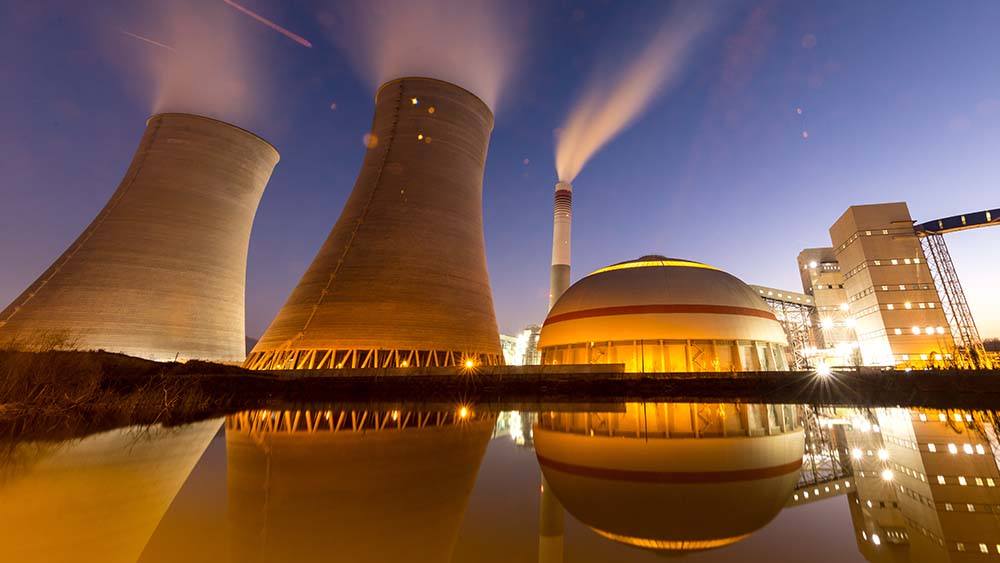
Nuclear power plants make electricity by splitting atoms in a process called fission. This releases a lot of heat, which turns water into steam. The steam spins a turbine, making electricity. While nuclear plants are good at making steady power, people worry about safety, handling waste, and accidents.
Renewable Energy Sources
Renewable energy comes from natural resources that renew themselves. They’re sustainable and better than fossil fuels. Here are some of the main ones used for making power:
Solar Power
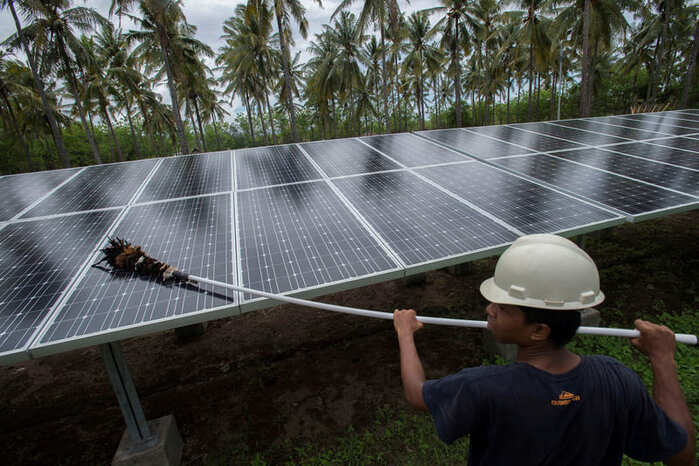
Solar power uses solar panels or systems that capture the sun’s energy. Panels turn sunlight into electricity. However, other systems use the sun’s heat to make steam and spin turbines. It’s clean, there’s lots of it, and it’s getting cheaper thanks to better technology. The United States tops solar energy generation and utility scale.
Wind Power
Wind power uses the wind to spin turbine blades. This spinning makes mechanical energy, which a generator turns into electricity. It’s growing fast, with wind farms popping up on land and in the ocean.
Hydroelectric Power

Hydroelectric power uses water from rivers, dams, or reservoirs to make electricity. When water falls or flows, it spins a turbine, which makes electricity in a generator. It’s clean and renewable. Big hydro plants can make a lot of electricity. However, we need to think about how they affect nature when we build them.
Geothermal Power

Geothermal power gets heat from deep inside the Earth to make electricity. We do this by using hot water or steam underground to spin turbines. It’s very sustainable and doesn’t make much greenhouse gas. However, we can only use it in places with the right kind of underground heat.
Biomass Power
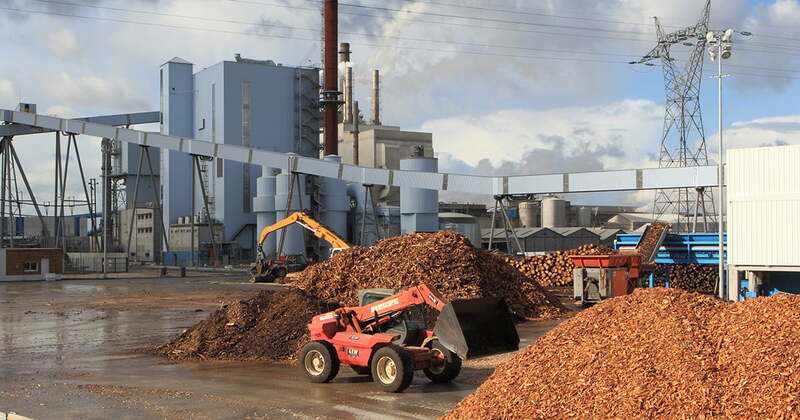
Biomass power makes electricity by burning stuff like crop leftovers, wood pellets, or special energy plants. We can burn biomass directly or turn it into biogas, which we then use to make electricity. It’s a renewable energy source that cuts down on waste and uses natural materials.
Comparison Of Power Production Methods
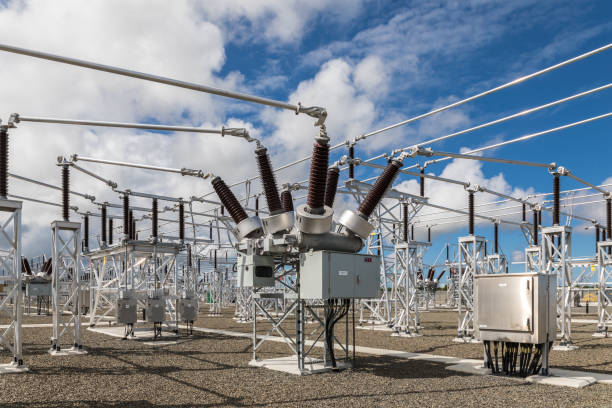
When evaluating different methods of power production, several factors come into play.
Environmental Impact
Different ways we make power affect the environment differently. Fossil fuel plants let out greenhouse gases, which make climate change and air pollution worse. But renewable sources like solar and wind power don’t let out much greenhouse gas. This makes them better for the environment.
Cost
Efficiency
Efficiency shows how well a power plant turns energy into electricity. Fossil fuel plants are good at this. However, renewables are catching up and can be just as efficient.
Advancements In Power Production

In recent years, power production has seen big changes. New technologies and a focus on being eco-friendly are making energy production cleaner and better.
Renewable energy, like solar and wind power, is growing fast. Solar panels are becoming more efficient and cheaper to install. This is both on rooftops and in large solar farms. Wind turbines are also getting bigger and better at catching wind energy. Also, they’re more affordable.
Hydroelectric power is also improving. Instead of just big dams, there are new systems that work with rivers and tides. These changes help make hydroelectric power more efficient and less harmful to the environment.
Energy storage is getting better too, especially with batteries. They’re improving a lot, which means we can store electricity from solar panels and wind turbines more efficiently. Lithium-ion batteries are a good example. They’re cheaper now and can store more energy. Scientists are also working on new types of batteries that could be even better in the future.
FAQs

- How does power production impact the environment? Power production methods using fossil fuels contribute to air pollution. It adds also to greenhouse gas emissions and climate change. Renewable energy sources are good for the environment and cut down on carbon emissions.
- What is the most efficient method of power production? Fossil fuel power plants are popular for their high efficiency. However, advancements in renewable energy technologies have significantly increased efficiency.
- Can renewable energy sources replace fossil fuels entirely? While it is challenging to replace fossil fuels entirely, the ongoing transition to renewable energy sources is crucial. It helps in mitigating climate change and reducing dependence on finite resources. Continued advancements in renewable technologies will play a significant role in achieving a more sustainable energy mix.
- Are there any risks associated with nuclear power plants? Atomic power plants have potential hazards. It includes accidents, radioactive waste disposal, and the possibility of nuclear proliferation. Strict safety regulations, advanced reactor designs, and responsible waste management practices are necessary to mitigate these risks effectively.
- How can individuals contribute to sustainable power production? Individuals can contribute to sustainable power production. It is by adopting energy-efficient practices. It reduces energy consumption and supports the development and use of renewable energy sources. Simple things like using energy-saving appliances, LED lights, and telling people about renewable energy can help a lot.
Conclusion

Power production is important for our modern world. We need to know about different ways to make power, their good points, and how they affect the environment. This helps us make a better energy future that’s good for the planet. We can use clean thermal energy sources include wind and solar. Also, make things work better, and use new technologies. This will help us have a better and greener future.