
Environmental Preservation Activities And Their Macro Effects

Today, protecting the environment is crucial as global warming, pollution, and natural resource depletion increase. It’s vital to take proactive steps to safeguard our planet. Environmental preservation activities are key to reducing the harmful effects of human actions on the environment.
Understanding The Importance Of Environmental Preservation

Environmental preservation is crucial for our planet and all its inhabitants. It involves protecting natural resources, ecosystems, and biodiversity to maintain a sustainable environment for current and future generations.
Preserving the environment ensures clean air, water, and food essential for human survival. It maintains the delicate ecological balance supporting diverse plant and animal life, stabilizing ecosystems.
Environmental preservation also helps mitigate climate change. By reducing deforestation, promoting sustainable practices, and using renewable energy sources, we can limit greenhouse gas emissions and curb global warming’s negative impacts.
Sustainable Energy Solutions For A Greener Future

Implementing sustainable energy solutions is crucial for a greener future and has significant effects that can positively impact society and the planet.
One key effect is reducing greenhouse gas emissions. By switching from fossil fuels to renewable sources like solar, wind, and hydropower, we can greatly cut down on carbon dioxide and other harmful pollutants released into the atmosphere. This helps mitigate climate change and its effects, such as higher temperatures, extreme weather, and rising sea levels.
Another major effect is enhancing energy independence and security. Using more renewable energy and less imported fossil fuels boosts a nation’s self-sufficiency. It reduces vulnerability to global energy market fluctuations and geopolitical tensions, promoting stability over time.
Sustainable energy solutions also bring economic benefits. The renewable energy sector is growing, creating jobs, driving innovation, and fostering economic growth. Investing in renewable technologies gives countries a competitive edge, attracts investments, and builds a sustainable economy for the future.
Promoting Biodiversity And Conservation Of Ecosystems
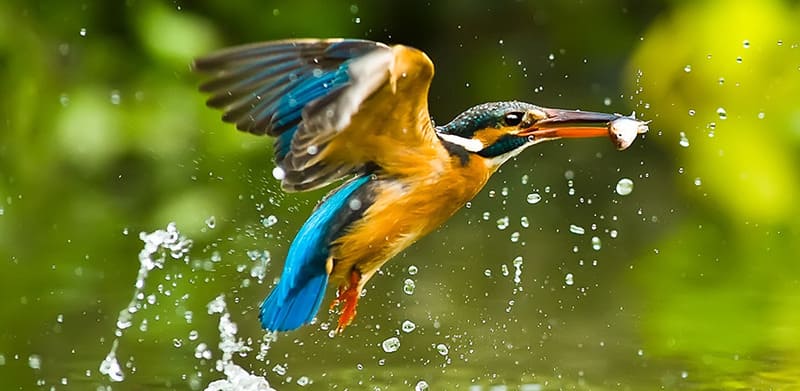
Promoting biodiversity and conserving ecosystems are crucial for a healthy and sustainable planet. Biodiversity refers to the variety of plant and animal species and the complex habitats they live in. Conserving this diversity has significant effects that benefit nature and society.
One key effect is maintaining ecological balance. Ecosystems depend on interactions between species and their surroundings. Protecting these ecosystems ensures stability and resilience, supporting vital services like pollination, water purification, and soil fertility, which are essential for human well-being.
Conserving biodiversity also impacts the economy. Many industries rely on natural resources from biodiversity, such as timber, medicinal plants, and fisheries. Preserving biodiversity secures these resources for present and future generations. Conservation efforts also create ecotourism opportunities, generating income and jobs in local communities.
Additionally, promoting biodiversity helps mitigate and adapt to climate change. Forests, wetlands, and other habitats act as carbon sinks, absorbing and storing carbon dioxide. Preserving these ecosystems helps combat climate change by reducing greenhouse gas emissions. Diverse ecosystems are also more resilient to environmental changes, protecting against climate impacts like floods, droughts, and erosion.
Waste Management And Recycling: Reducing Environmental Footprint

Effective waste management and recycling are crucial for reducing our environmental impact and achieving a sustainable future. These practices bring significant benefits to the environment, economy, and society.
Proper waste management, including waste reduction, reuse, recycling, and responsible disposal, minimize waste sent to landfills and incinerators. This cuts greenhouse gas emissions, prevents soil and water contamination, and conserves natural resources. Recycling is especially important for closing the loop and reducing the need for new raw materials.
On a larger scale, waste management and recycling offer economic advantages. The recycling industry creates jobs and stimulates economic growth by turning waste into valuable resources. It reduces reliance on expensive raw materials, promoting a more sustainable and circular economy.
Moreover, these practices promote public health and well-being. Responsible waste disposal prevents diseases and limits exposure to harmful substances. Recycling reduces the energy-intensive and polluting processes involved in extracting and processing new materials.
Sustainable Agriculture: Nurturing The Earth’s Resources

Sustainable agriculture is crucial for nurturing Earth’s resources, ensuring food security, and stewarding the environment. It brings significant benefits to ecosystems, communities, and global food systems.
Embracing sustainable practices protects soil health, conserves water, and reduces chemical use. Methods like crop rotation, organic farming, and pest management without chemicals prevent soil erosion, boost fertility, and support biodiversity. This strengthens ecosystem resilience, preserves wildlife habitats, and helps combat climate change impacts.
Sustainable agriculture also supports social and economic growth. It creates jobs and boosts local economies, particularly in rural areas. Supporting small farmers and promoting fair trade enhances equity and food sovereignty. Moreover, it ensures long-term food security by cultivating diverse crops, reducing reliance on synthetic fertilizers and pesticides, and fostering sustainable food systems.
Forest Conservation: Protecting The Lungs Of The Earth

Forest conservation is vital for protecting Earth’s lungs and maintaining a healthy environment. Its macro effects impact climate regulation, biodiversity, and sustainable development.
Forests absorb carbon dioxide, mitigating climate change by acting as carbon sinks. Conserving forests reduces greenhouse gases and helps regulate global temperatures. Forests also regulate the water cycle, influencing rainfall and ensuring stable freshwater supplies.
Preserving forests protects biodiversity. Forests house numerous unique and endangered species, supporting Earth’s biodiversity. They provide habitats for wildlife, promote genetic diversity, and offer resources for medicine, food, and livelihoods.
Water Conservation: Preserving Our Most Precious Resource

Water conservation is crucial for preserving our most precious resource and has significant effects that benefit ecosystems, communities, and sustainable development.
Conserving water ensures clean and safe water for present and future generations. Efficient water management practices, like reducing waste, promoting reuse, and adopting water-saving technologies, minimize water scarcity and sustain a stable water supply.
On a larger scale, water conservation supports environmental sustainability. It eases pressure on freshwater ecosystems, protecting aquatic habitats and biodiversity. Conserving water also maintains natural river and stream flows, supporting riparian ecosystem health.
Economically, efficient water use reduces energy for treatment and distribution, leading to cost savings. Water conservation supports agricultural productivity, crucial for food production amid water scarcity challenges.
Promoting Environmental Preservation Education And Awareness

Promoting environmental education is crucial for fostering a sustainable mindset and creating an environmentally conscious society. These initiatives have far-reaching effects that benefit individuals, communities, and the planet.
Environmental education teaches people about climate change, biodiversity loss, and pollution. It equips them with knowledge, skills, and attitudes to understand and tackle these challenges. By promoting ecological literacy, it empowers individuals to make informed decisions and take responsible actions for a sustainable future.
On a larger scale, environmental education supports sustainable development. It encourages eco-friendly behaviours like reducing waste, saving energy, and adopting sustainable consumption habits. These actions, when widespread, significantly cut resource use and environmental harm.
Additionally, environmental education boosts community engagement. It fosters collaboration among governments, businesses, and civil society to find innovative solutions to environmental problems. Encouraging partnerships and dialogue promotes collective action and empowers communities to create positive changes.
Green Infrastructure And Urban Planning

Green infrastructure and urban planning are essential for creating sustainable and resilient cities. Incorporating green infrastructure into urban areas has wide-ranging positive impacts on the environment, public health, and economic development.
Green infrastructure integrates natural elements like parks, green spaces, wetlands, and urban forests into urban planning. This helps counteract urbanization’s negative effects such as air and water pollution, urban heat islands, and biodiversity loss.
A critical impact is improving urban air quality. Green infrastructure filters pollutants, cuts greenhouse gas emissions, and enhances ventilation, leading to cleaner air and better public health with fewer respiratory illnesses.
Moreover, green infrastructure boosts urban resilience to climate change. Vegetated areas manage stormwater, reducing flooding risks and improving water quality. Urban green spaces provide shade, cool the environment, and lower energy use for cooling, increasing energy efficiency.
Wildlife Protection And Endangered Species Preservation
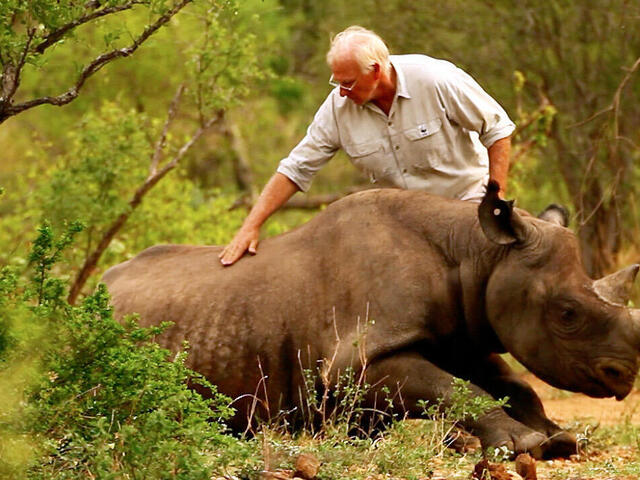
Protecting wildlife and preserving endangered species are crucial for biodiversity and have broad effects on ecosystems and sustainability.
Preserving biodiversity is key. Each species plays a unique role, and losing one can disrupt entire ecosystems. By safeguarding wildlife, we maintain Earth’s intricate web of life and support ecosystem health.
Wildlife protection benefits ecosystem services essential to humans. Endangered species contribute to pollination, seed dispersal, and nutrient cycling vital for agriculture and natural resources.
Preserving endangered species also holds cultural and scientific importance. Many species are culturally significant and offer insights into evolution and ecosystem dynamics. They may lead to medical discoveries.
Sustainable Transportation: Reducing Carbon Emissions

Sustainable transportation is crucial for addressing climate change and has wide-ranging effects on the environment, public health, and economic development.
Shifting to sustainable options like walking, cycling, public transit, and electric vehicles significantly cuts carbon emissions. Transportation is a major source of greenhouse gases, and switching to low-carbon alternatives helps combat climate change and boost air quality.
A key benefit is reducing air pollution. Sustainable transportation lowers harmful pollutants like particulate matter and nitrogen oxides, improving public health by cutting respiratory illnesses and enhancing well-being.
Moreover, sustainable transportation supports economic growth. Investing in public transit and green infrastructure creates jobs, boosts local economies, and makes transportation more accessible. It also reduces dependence on fossil fuels, making countries less vulnerable to oil price swings and global uncertainties.
The Economic Benefits Of Environmental Preservation

Environmental preservation benefits the planet and has significant economic effects. Conserving the environment can boost economic growth and support sustainable development.
Creating green jobs is crucial. Initiatives like renewable energy projects and ecosystem restoration employ in sectors focused on ecological sustainability.
Preserving the environment enhances ecosystem services with economic value. Healthy ecosystems supply clean water, timber, and food, supporting industries and fostering economic expansion.
Protecting the environment cuts costs linked to environmental damage. Preventing pollution, conserving resources, and addressing climate change save money on healthcare, infrastructure repair, and disaster response.
FAQs

- How can I contribute to environmental preservation in my daily life? You can contribute to ecological conservation in your everyday life by reducing waste, conserving energy, using sustainable transportation, and supporting eco-friendly products and practices.
- Are there any tax incentives for businesses adopting sustainable practices? Yes, many countries offer tax incentives for firms adopting sustainable practices, such as tax credits for renewable energy investments or deductions for energy-efficient upgrades.
- What are the major challenges in implementing environmental preservation activities? Significant challenges in implementing ecological preservation activities include limited awareness, insufficient funding, political resistance, and the need for international cooperation to address global issues.
- How does deforestation contribute to climate change? Deforestation contributes to climate change by releasing stored carbon dioxide into the atmosphere, reducing carbon sequestration, and disrupting local and global weather patterns.
- Can you recommend any organizations working towards environmental preservation? Sure! Some well-known organizations working towards ecological conservation include Greenpeace, the World Wildlife Fund (WWF), The Nature Conservancy, and Friends of the Earth.
Conclusion

Environmental preservation is crucial for our planet’s health and a sustainable future. By using sustainable practices, conserving resources, and raising awareness, we can reduce the harmful effects of human activities on the environment. Everyone—individuals, communities, governments, and organizations—must collaborate to protect our ecosystems for future generations.
We all share the responsibility to care for the Earth. Together, our actions can make a big difference. Take steps now, make eco-friendly choices, and join the global movement toward a greener, more sustainable future.