
Power Station Safety: What You Need To Know Before Operating

Power stations are crucial for generating and delivering electricity to homes and businesses worldwide. These facilities are often remote locations and can be dangerous for untrained workers. Strict safety rules and procedures must be followed to protect workers and nearby residents. This article will provide key information for operating power sources safely.
Why Powerplant Safety Matters
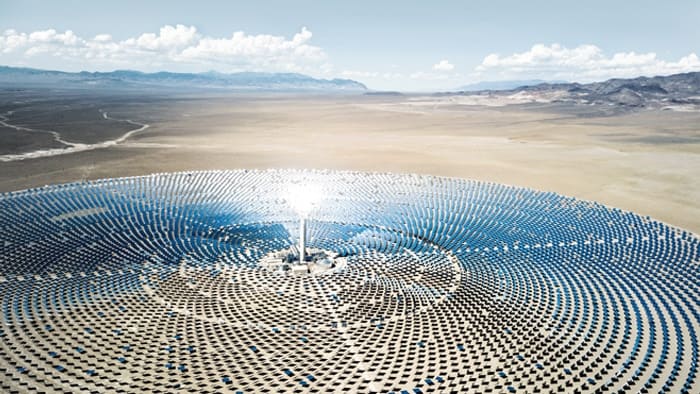
Power plants are high-risk places that can be dangerous if not managed well. Here are some reasons why power plant safety matters:
- Protecting Workers. People who work at power plants are at risk of accidents. It includes electrical shock, burns, and explosions, among other things. We can minimize these risks and protect workers from harm by implementing proper safety measures.
- Protecting the Environment. Power plants can have negative environmental impacts like air and water pollution. Proper safety measures can help minimize these impacts and protect the environment.
- Keeping the power on. Accidents at power plants can cause blackouts and prevent the administration from reaching homes and businesses. Ensuring the power plant’s safety can minimize the risk of such accidents and ensure the continuity of supply.
Precautions To Take Before Operating
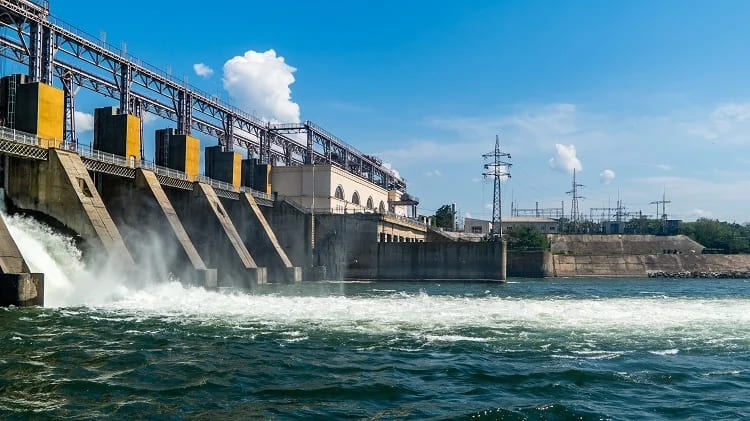
Before running a power plant, it’s essential to take specific steps to make sure it’s a safe place to work. Here are some precautions to consider:
- Proper Training. All workers must receive adequate training on the equipment and safety protocols before entering the power plant.
- Safety Equipment. Workers should wear personal protective equipment (PPE), such as hard hats, safety glasses, and gloves, to protect themselves from hazards.
- Emergency Procedures. Emergency procedures, such as fire evacuation plans and first aid kits, are essential for accidents or emergencies.
- Regular Inspections. The equipment and machinery in a power plant should be checked regularly to ensure they are in good shape and to find any potential dangers.
- Risk Assessment. Before running a power plant, a risk assessment should be conducted to identify potential dangers and devise a plan to reduce them.
Who Should Operate Power Plants?

Power plants should be run by people with the knowledge, abilities, and experience to operate the plant’s machinery and systems safely and efficiently. This includes technicians, engineers, and other professionals with special training in power generation, electrical systems, and other fields.
To ensure the power plant works safely and reliably, the people running it must follow safety protocols and procedures. Equipment must be checked and fixed regularly, and any problems or emergencies must be dealt with quickly and correctly. Always check the power output.
Ultimately, it is up to the owners and operators of power plants to ensure their safety, protect the environment, and use energy efficiently.
Safety FAQs

- What is the most common cause of power plant accidents? The most common cause of power plant accidents is human error, such as improper use of equipment or failure to follow safety protocols.
- How often should this equipment be inspected? Local laws and the manufacturer’s instructions say power plant equipment should be checked regularly.
- What should I do in case of an emergency? In case of a power plant emergency, follow the emergency procedures in place, such as evacuation plans and first aid kits.
- What should I do if I notice a safety hazard? Tell your boss immediately if you see anything that could be dangerous or wrong with the equipment. Only attempt to fix the issue yourself if you’re authorized and trained.
- What personal protective equipment (PPE) should I wear when operating? The type of PPE required will depend on the job and the potential hazards. Some everyday PPE items include hard hats, safety glasses, hearing protection, gloves, and steel-toed boots. Your employer should provide you with the necessary PPE and training to use it correctly.
- Can I use my cell phone while operating? Using your cell phone while operating a power plant is generally unsafe. The distraction could cause you to overlook potential hazards or make mistakes. Follow established protocols and avoid using your cell phone unless it’s an emergency.
- What is the most important thing about power plant safety? Safety always comes first. Don’t cut corners or ignore safety rules; always tell your supervisor immediately about any possible dangers or problems with the equipment.
Power Plant Safety Critical Points
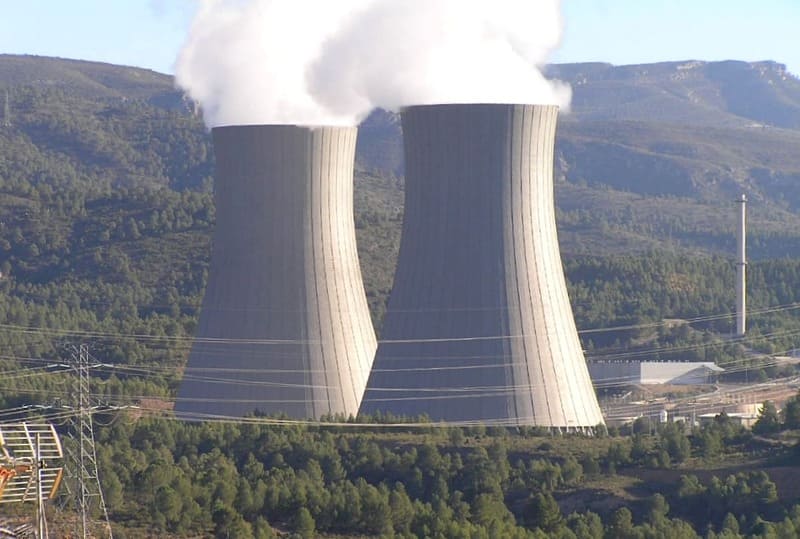
Preventing Accidents And Injuries
Power plants are complex and have many hazards, such as high-voltage equipment, moving machinery, and dangerous materials. The International Labour Organization (ILO) reports an annual death rate of 5.5 per 100,000 workers in the global energy sector. Ensuring power plant safety can greatly reduce accidents and injuries. This also protects workers’ health and keeps operations smooth.
Avoiding Environmental Disasters
Power generation can harm the environment if dangerous substances leak or containment structures fail. The United Nations reports about 1,000 major industrial accidents worldwide from 1998 to 2018, with 10% occurring in the energy sector. Prioritizing power plant safety prevents environmental disasters and protects ecosystems and local communities.

Ensuring Reliability And Continuity Of Power Supply
Power plant safety is vital for keeping the electricity supply reliable, which is crucial for modern societies and economies. In the United States, power outages cost the economy an estimated $25 billion to $70 billion annually. Following strict safety standards helps prevent unplanned outages and ensures continuous electricity availability.
Reducing Financial Risks And Liability
Operating a power plant unsafely can lead to financial problems like fines, legal penalties, and higher insurance costs. Prioritizing safety helps reduce these risks and safeguard the plant’s reputation, ensuring long-term success. For instance, in 2015, a major US utility company was fined $4.5 million for safety violations after a fatal accident at a power plant. By prioritizing safety, plants can minimize financial risks and maintain their business operations successfully.
Promoting A Safety Culture And Industry Excellence
Prioritizing power plant safety demonstrates a company’s dedication to being a responsible corporate citizen and a leader in its industry. According to an OSHA study, companies that invest in safety can expect a return of up to $6 for every $1 spent. By fostering a safety-first culture, power plants can attract top talent, drive innovation, and become industry leaders in the global energy sector.
Where Are The Largest Power Plants In The World?
The largest power plants in the world are typically categorized based on the type of energy they produce. We have thermal, hydroelectric, nuclear, and renewable sources. Here’s a breakdown of some of the largest power plants across these categories:
Thermal Power Plants
-
- Taichung Power Plant, Taiwan. Taichung Power Plant is the largest thermal power plant in the world, with a capacity of over 5,500 MW. It primarily uses coal as fuel and plays a significant role in meeting Taiwan’s electricity demand.
- Nanticoke Generating Station, Canada. Located in Ontario, Nanticoke Generating Station was once North America’s largest coal-fired power plant, with a capacity of over 3,900 MW. However, it ceased operations in 2013 and is being converted to alternative uses.
Hydroelectric Power Plants
-
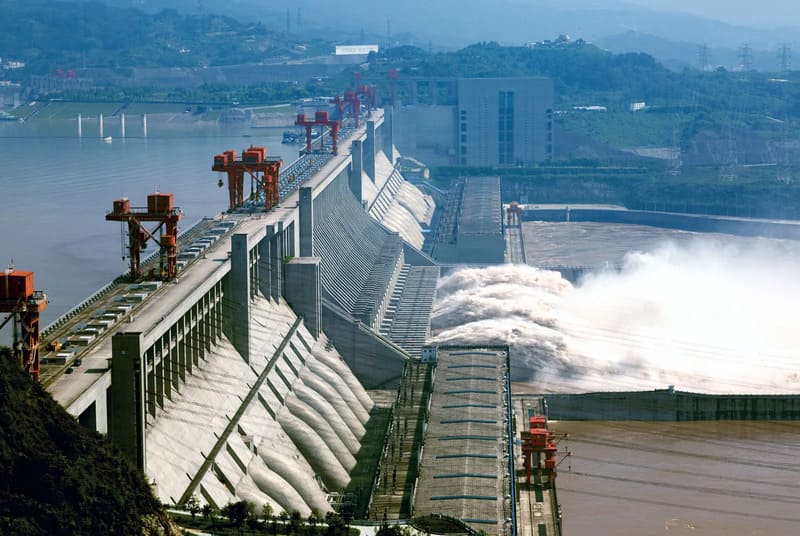
- Three Gorges Dam, China. The Three Gorges Dam is the largest hydroelectric power plant. Also, it is the largest power plant of any kind in the world, with a capacity of over 22,500 MW. It harnesses the power of the Yangtze River and provides a significant portion of China’s electricity.
- Itaipu Dam, Brazil/Paraguay. Itaipu Dam is another massive hydroelectric power plant, with a capacity of over 14,000 MW. Located on the Paraná River, it is a joint venture between Brazil and Paraguay and contributes substantially to their energy needs.
Nuclear Power Plants
-
- Kashiwazaki-Kariwa Nuclear Power Plant, Japan. With a total capacity of over 7,900 MW, the Kashiwazaki-Kariwa Nuclear Power Plant is the largest nuclear power plant in the world. However, it is not fully operational due to safety concerns following the Fukushima disaster.
- Bruce Nuclear Generating Station, Canada. Bruce Nuclear Generating Station is the world’s largest operational nuclear power plant by net capacity, with a capacity of over 6,200 MW. It is located in Ontario and consists of several reactors.
Renewable Energy Power Plants
-
- Gansu Wind Farm, China. Gansu Wind Farm is one of the largest wind farms in the world, with a total installed capacity of over 6,000 MW. It spans several counties in Gansu Province and contributes significantly to China’s renewable energy goals.
- Solar Star, United States. Solar Star is currently one of the largest solar power plants in the world. It is located in California and has a capacity of over 1,500 MW. It consists of thousands of solar panels spread across vast areas of desert land.
Conclusion

Operating a power plant is challenging and risky, but following safety measures ensures a safe environment. Safety should never be overlooked; protocols must be reviewed and updated to protect workers, the environment, and operations. If you have questions about safety, contact your supervisor or safety manager.
Should you have questions, visit us at https://zbotek.com/.