
Pure Vs. Modified Sine Wave Inverter

Image Credit: AlteStore
Solar power is becoming more popular as a green and sustainable energy source. As solar panels improve in efficiency and become more affordable, more homeowners and businesses are considering them.
A crucial part of your solar reliable power setup is the inverter. This device changes the DC electricity from your solar panels into AC electricity, which powers homes and businesses. You’ll need an inverter, whether your system is connected to the grid or not.
There are two main types of inverters: pure sine wave and modified sine wave. What’s the difference between them? Which one is better for your system? Although both types work, there are important differences to know about.
What Is An Inverter?
An inverter converts direct current (DC) into alternating current (AC). Solar panels produce DC, but most home or business appliances use AC. So, the inverter is essential for converting the DC from solar panels into usable AC.
Technically, an inverter changes the DC from the panels into AC that matches the grid’s waveform. This allows your solar system to work smoothly with the grid. It can work as phone chargers.
In short, for a grid-tied solar system, the inverter ensures the solar power is compatible with the utility grid.
Pure Sine Wave Inverters

A pure sine wave inverter produces AC power that closely matches the power inverters from the utility grid. On an oscilloscope, it looks like a smooth, curved line, known as a “true” or “clean” sine wave.
Utility companies generate electricity as pure sine waves. So, using a PSWI in your solar system means the AC power produced will be like the utility company’s power. This compatibility ensures your solar system works with all appliances in your home or business.
PSWI has other benefits. It is more efficient than MSWI and produces less electrical noise, which is important for sensitive equipment like medical devices.
To ensure quality, look for a PSWI with high efficiency and low total harmonic distortion (THD) ratings.
However, PSWI are more expensive than modified ones. An MSWI might be better if you’re on a tight budget.
How Pure Sine Wave Power Inverters Work

Image Credit: GreentechRenewables
PSWI uses Pulse Width Modulation (PWM) to convert DC into AC. PWM is a digital signal that rapidly turns the DC power on and off.
By turning the DC power on and off at a high frequency, the PSWI can mimic the utility grid’s AC waveform.
PWM is a very efficient way to convert DC into AC, so PSWIs are more efficient than MSWIs.
Modified Sine Wave Inverters
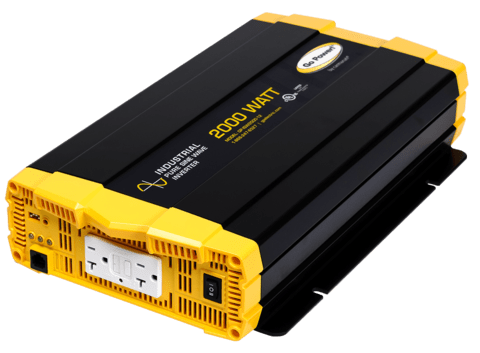
An MSWI produces AC power similar to the utility grid but with some differences.
A modified sine wave on an oscilloscope looks like a series of square waves. This type of AC power is called a “quasi” or “pseudo” sine wave.
MSWI produces “dirty” power with spikes and dips, damaging sensitive electronics like computers and TVs.
They are less expensive than PSWI, making them popular for those on a budget. Although not as efficient or clean as PSWI, they still work for many applications.
While not ideal for all uses, MSWI can be a good option for some. It’s helpful to talk to a solar expert to see if a MSWI meets your needs.
How Modified Sine Wave Inverters Work

Image Credit: GreentechRenewables
MSWI uses “chopping” to convert DC into AC. Chopping means turning the DC power on and off at a lower frequency than PSWI.
This process creates an AC waveform similar to the utility grid’s waveform.
Although not as efficient as PSWI, MSWI converts DC into AC. With proper sizing and installation, they can work reliably for many years.
Critical Differences Between These Inverters
Now that you know the basics of pure sine wave and MSWI it’s time to learn about their critical differences.
Cost
PSWIs are more expensive than MSWIs, but the price gap has narrowed due to technological advances.
An MSWI might be better if you’re on a tight budget. However, if you can afford it, a PSWI is a worthwhile investment that will pay off over time.
Efficiency
PSWIs are more efficient than MSWIs. They convert DC to AC more effectively. However, PSWIs are not always the best choice for every use. Sometimes, modified sine wave inverters are better.
MSWIs can be only 60% efficient, while PSWIs can be up to 95% efficient. Both types can work with solar power systems, but PSWIs are usually the better option.

Power Quality
PSWIs produce “clean” AC power like the power from the utility grid. This power is safe for sensitive electronics like computers and TVs.
MSWIs produce “dirty” AC power with spikes and dips. This power can damage sensitive electronics, so it is not recommended for computers or TVs. However, it won’t damage all electronics.
Some devices, like power tools, can use MSWIs. Always check with the manufacturer to be sure.
Interference
PSWIs produce less electrical noise than MSWIs. This means they are less likely to interfere with electronic devices.
For example, an MSWI might cause a humming noise in a stereo, whereas a PSWI will not. Also, PSWI is less likely to damage sensitive electronics.
Range Of Devices Powered
PSWI can power more devices than MSWI. It is well-suited for laptops, TVs, and other sensitive electronics.
MSWIs are not recommended for computers or TVs. They can damage sensitive electronics.
If you need to power sensitive devices, use a PSWI.
Effect On Powered Device
A PSWI has little to no effect on devices. Its clean, consistent power won’t damage electronics. MSWIs can harm electronics. Their power is not as clean or consistent, leading to problems like the “brownout” effect.
A “brownout” occurs when the power drops too low, causing devices to shut down or malfunction. This is common with MSWIs.
Here is a video that further explains the effect of MSWIs on electronic equipment:
Device That Might Not Work With A Modified Sine Wave Inverter
An MSWI can power most devices, but some won’t work with them.
Devices like fluorescent lights, motors, and transformers need “clean” power to work properly. They may not function correctly with an MSWI.
Devices like computers and TVs are sensitive to electrical noise. An MSWI might interfere with or damage them. For sensitive devices or those needing “clean” power, use a PSWI.
Top 10 PSWI Manufacturers In China
Solargiga Energy Holdings Limited

Since 2000, Solargiga Energy has been dedicated to the research, development, production, and sales of solar photovoltaic products. The company’s products include solar cells, modules, and power systems. From its inception, Solargiga Energy has always adhered to the principle of “Honesty, Innovation, Competition, Prominence.” This principle has helped the company to win the trust of its customers and partners.
Kehua Tech
Kehua Tech is a leading provider of energy storage solutions. The company’s products include batteries, inverters, and solar controllers. Kehua Tech’s products are used in various applications, such as UPS, solar, and wind.
Byd Energy
Byd Energy is a subsidiary of BYD Company Limited, a global leader in electric vehicles, batteries, and solar panels. Their products include batteries, solar panels, and LED lights.
Growatt New Energy Technology Co. Ltd.

Founded in 2011, Growatt New Energy Technology is a global leader in solar inverters and energy storage solutions. The company’s products are used in various applications, such as residential, commercial, and industrial.
Sineng Electric Co. Ltd.
In business since 2012, Sineng Electric is a leading manufacturer of low-voltage electrical equipment. The company’s products include circuit breakers, contactors, and switchgear. With a focus on quality and customer service, Sineng Electric has won the trust of its customers.
Sinexcel
Since its inception in 2007, Sinexcel has been dedicated to the research and development of power conversion technology. The company’s products include inverters, solar controllers, and batteries. In addition to its products, Sinexcel also provides power conversion solutions.
NR Electric
Renewable energy is the future, and NR Electric is at the forefront of this industry. The company’s products include solar inverters, solar panels, and wind turbines. NR Electric’s products are used in various applications, such as residential, commercial, and industrial.
Inovance

Inovance is a leading provider of solutions for the global market, from construction to energy. With over 20 years of experience, Inovance has a proven track record in delivering quality products and services to its customers.
Soaring Electric
Everything Soaring Electric does is for the benefit of its customers. The company’s products include circuit breakers, contactors, and switchgear. Soaring Electric is committed to providing its customers with the best products and services possible. From energy savings to environmental protection, Soaring Electric is your partner for a better future.
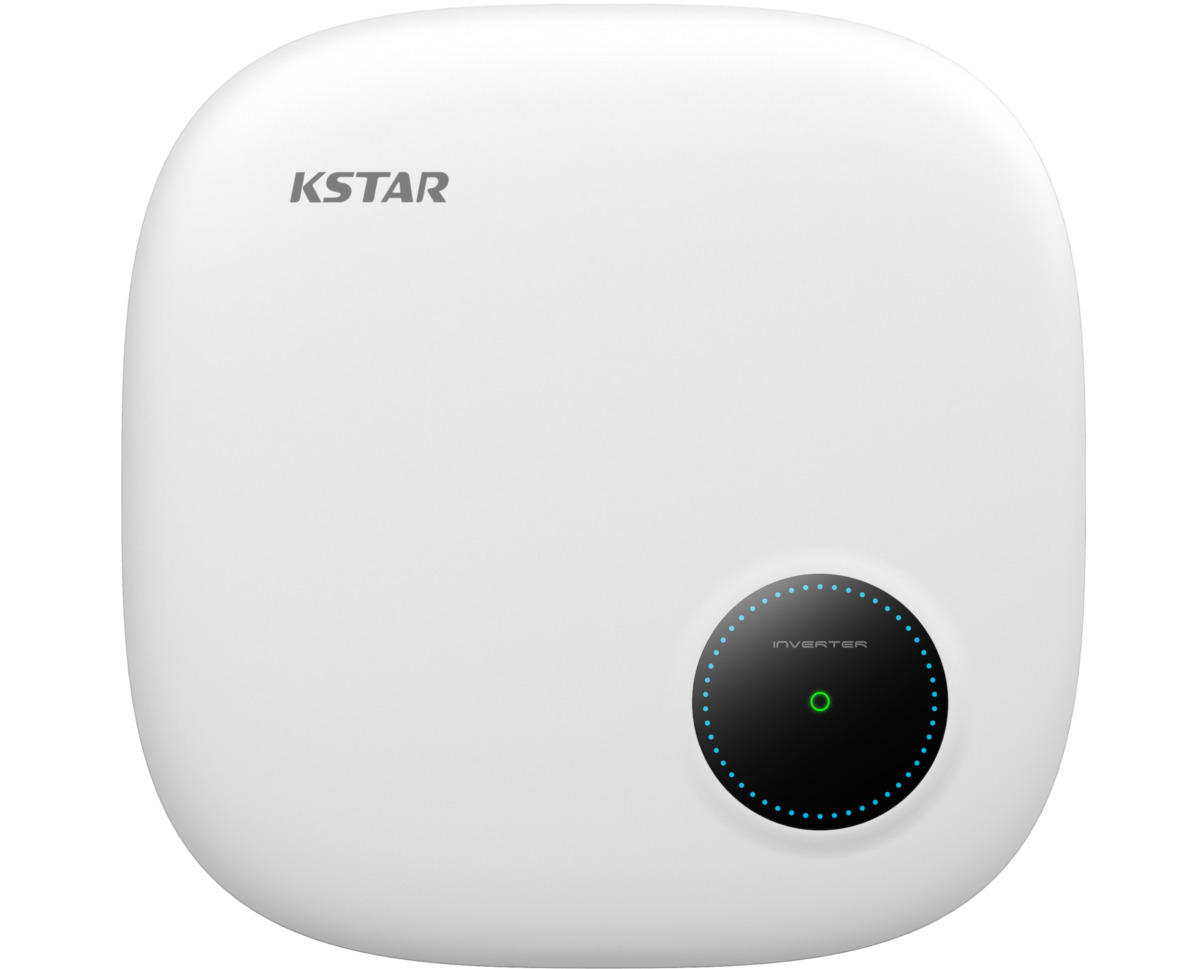
KSTAR
KSTAR, for more than two decades, has provided energy management solutions for a sustainable future. The company’s products include UPS, solar inverters, and batteries. KSTAR’s products are used in various applications, such as data centers, healthcare, and retail. KSTAR is your partner for a better tomorrow, from innovative products to excellent customer service.
Frequently Asked Questions
- Which is the best choice for portable and home power stations? PSWIs are the best choice for these applications because they provide clean, stable power that won’t damage sensitive electronics.
- What size inverter do I need? The size of the inverter you need depends on the wattage of the devices you want to power. Most PSWIs are available in sizes ranging from 300 to 3000 watts.
- Can I use an MSWI with my off-grid solar system? You can. However, we recommend using a PSWI instead. PSWIs are more efficient and produce less electrical noise than MSWIs.
- What is the difference between an inverter and a converter? An inverter converts DC power into AC power, while a converter converts AC power into DC power.
- Why are PSWIs more expensive than MSWIs? PSWIs are more efficient and produce less electrical noise.
Final Words
For a solar power system, choose a pure sine wave inverter. It is more efficient and can power more devices. It also produces less electrical noise and does not harm devices.
Pure sine wave inverters cost more than modified ones, but the benefits are worth the extra cost. For your solar power system, choose a pure sine wave inverter.