
Sustainable Energy Sources In Latin America

Latin America is a region with great potential for sustainable energy sources. With abundant natural resources and a growing emphasis on environmental conservation, countries in Latin America are making strides in adopting renewable energy solutions.
This article explores the sustainable energy landscape in Latin America, focusing on key sources of clean energy and the region’s efforts to transition to a greener future.
Understanding The Importance Of Sustainable Energy
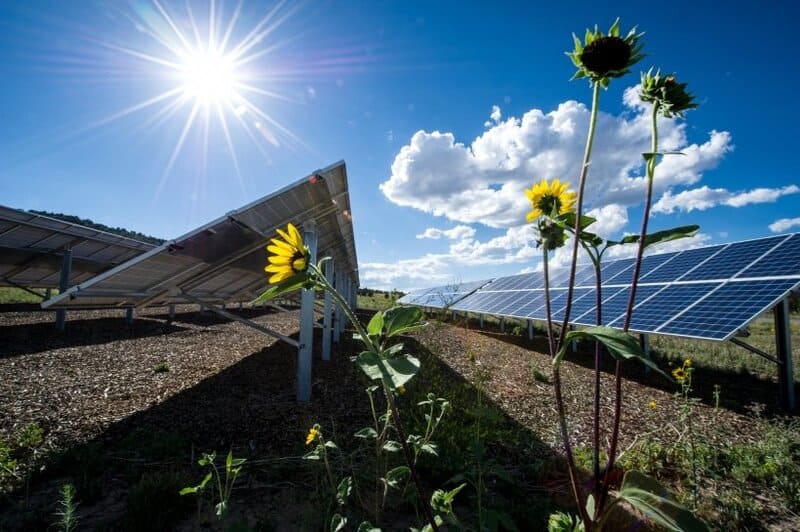
Sustainable energy is crucial for Latin America, promoting economic growth, environmental care, and social well-being. With ample renewable resources like solar, wind, hydro, and geothermal energy, the region has a golden opportunity to reshape its energy sector.
Switching to sustainable energy offers multiple benefits. It reduces the environmental impact of traditional energy sources by cutting greenhouse gas emissions, air pollution, and deforestation. It also boosts energy security since renewable sources are locally available and less affected by global price shifts. Moreover, it stimulates economic growth by creating jobs throughout the renewable energy supply chain and attracting investments. Additionally, sustainable energy expands energy access, enabling remote communities to access clean power for better living standards and economic empowerment.
Latin America has made strides in adopting sustainable energy, but more commitment is crucial. By embracing clean technologies, encouraging innovation, implementing supportive policies, and enhancing regional cooperation, Latin America can lead the way toward a greener, more resilient, and inclusive future.
Solar Energy
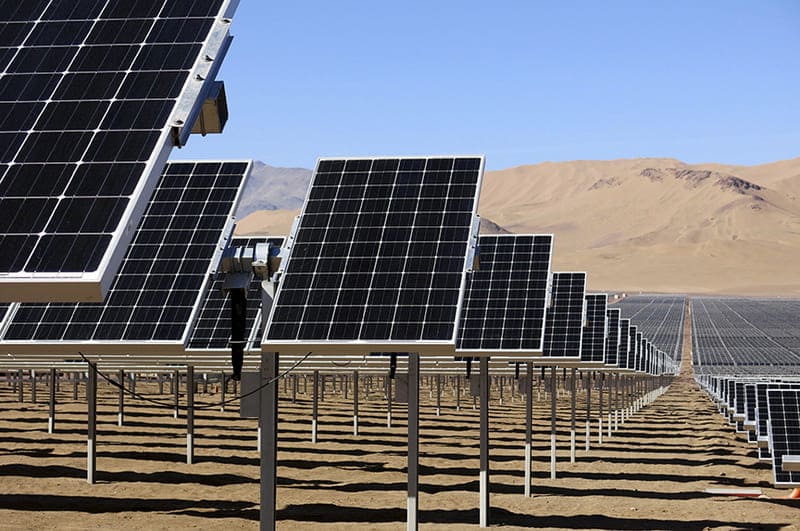
Solar energy has seen significant growth in Latin America, becoming a key player in the region’s move toward sustainable energy. Abundant sunlight, lower costs of solar panels, and supportive policies have fueled its rapid expansion.
Latin American countries have embraced their solar potential, seeing a rise in both large-scale solar farms and rooftop installations in homes and businesses.
Solar energy benefits Latin America in several ways. It cuts greenhouse gas emissions, boosts energy independence, and creates jobs. It also improves energy access in remote areas with limited grid connectivity. Adding solar power to the energy mix has diversified the region’s energy sources, reducing dependence on fossil fuels.
Wind Energy

Wind energy is increasingly important in Latin America, becoming a crucial part of the region’s shift towards renewable energy. With its vast and varied geography, Latin America offers ideal conditions for harnessing wind power and has seen a significant increase in wind energy projects.
Countries in Latin America have taken advantage of their wind resources by developing both onshore and offshore wind farms. These projects have played a key role in diversifying the region’s energy sources, reducing carbon emissions, and enhancing energy security. Wind energy has also spurred economic growth by attracting investments, creating jobs, and supporting local industries.
Supportive policies, favourable regulations, and growing cooperation between governments and private sectors demonstrate the region’s commitment to wind energy. Advances in wind turbine technology and decreasing costs have further fueled its expansion.
Hydroelectric Power
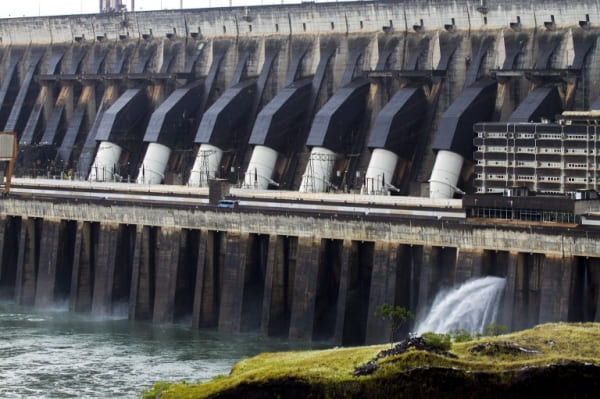
Hydroelectric power plays a crucial role in Latin America’s energy supply, meeting significant portions of the region’s electricity needs. Latin America’s abundance of rivers makes it an ideal location for hydroelectric projects.
Hydropower projects in Latin America vary from large dams to smaller run-of-the-river systems. They provide renewable and reliable electricity, reduce greenhouse gas emissions, and manage water resources effectively.
Latin American countries have utilized their hydroelectric potential extensively, relying on this clean energy source to enhance energy security, drive economic growth, and create jobs across various sectors.
However, the expansion of hydroelectric power has also sparked concerns about social and environmental impacts, such as community displacement and ecosystem disruption. Achieving a balance between the benefits and impacts of hydroelectric projects requires careful planning, strong governance, and engagement with stakeholders.
Geothermal Energy
Hydroelectric power is vital for Latin America’s energy needs due to its abundance of rivers, ideal for such projects.
Installations range from large dams to small run-of-the-river systems, offering benefits like renewable electricity, reduced emissions, and improved water management.
Many countries heavily rely on hydroelectricity for energy security, economic growth, and job creation across construction and maintenance.
However, expanding hydroelectric power raises concerns about social and environmental impacts, such as community displacement and ecosystem disruption. Balancing these impacts requires careful planning, governance, and stakeholder engagement.
Biomass Energy
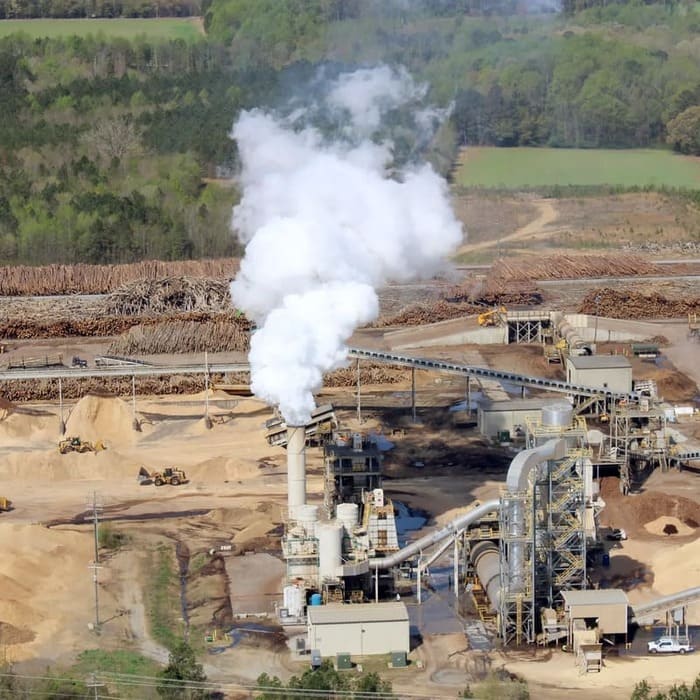
Biomass energy is increasingly important in Latin America’s sustainable energy landscape due to its abundant agricultural, forestry, and organic waste resources.
Countries in Latin America are actively adopting biomass energy solutions, such as generating electricity, heat, and biofuels. Biomass power plants and biogas facilities use agricultural residues, wood pellets, and organic waste to produce clean and renewable energy.
Using biomass energy has several benefits. It reduces reliance on fossil fuels, lowers greenhouse gas emissions, and promotes waste management and circular economy practices. Additionally, biomass energy projects create jobs, support rural development, and enhance energy security.
Biofuels: A Sustainable Energy Source

Biofuels, particularly ethanol and biodiesel, have gained momentum in Latin America, becoming crucial in the region’s renewable energy mix. The area benefits from its ample agricultural resources like sugarcane, corn, soybeans, and palm oil, which are used as feedstock for biofuel production. Latin America has developed strong biofuel industries, with ethanol and biodiesel plants helping to decarbonize the transportation sector.
Efforts Towards Energy Transition In Latin America
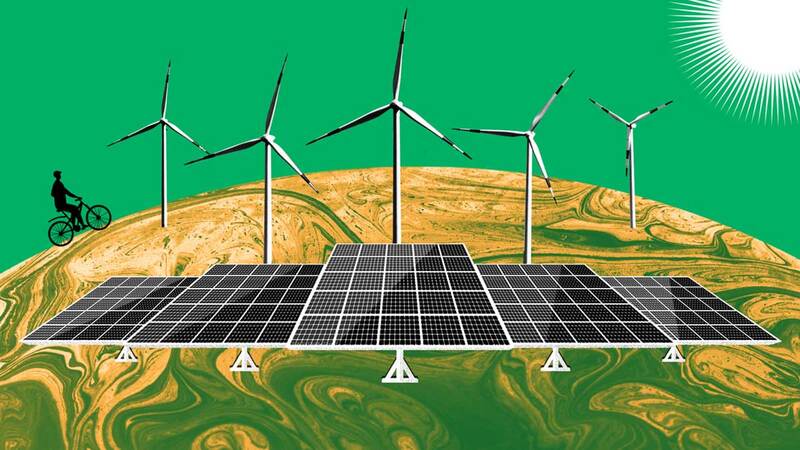
Latin America is leading the global energy transition, focusing on cleaner and sustainable energy sources. The region aims to reduce reliance on fossil fuels and is actively shifting towards renewables.
Countries in Latin America have set ambitious targets and policies to promote renewable energy. They invest in solar, wind, hydroelectric, geothermal, and biomass projects, leveraging abundant natural resources. Governments also promote energy efficiency and enact supportive regulations to speed up the transition.
Collaboration among Latin American nations is crucial. They share best practices, exchange knowledge, and develop joint initiatives to integrate renewables, improve infrastructure, and modernize grids.
Latin America attracts investments in clean energy, boosting jobs, economic growth, and technology. The region prioritizes social inclusivity, environmental protection, and economic resilience, demonstrating a strong commitment to sustainability.
Case Studies: Leading The Way In Sustainable Energy
Latin America boasts many renewable energy plants, showcasing the region’s commitment to sustainable development.
Solar Power Plants
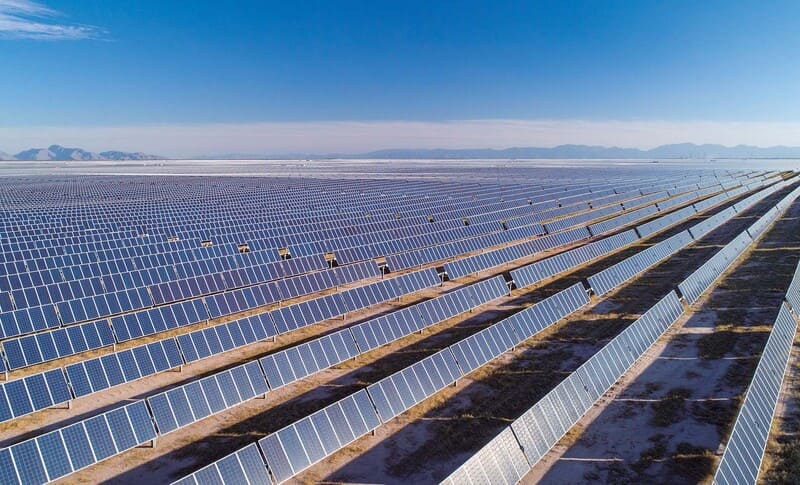
Latin American countries have invested in solar energy plants that harness the abundant sunlight. Notable projects include the Villanueva Solar Power Plant in Mexico and the Nova Olinda Solar Plant in Brazil. Both convert solar radiation into clean electricity on a large scale.
Wind Farms

With its favourable wind conditions, Latin America has established numerous wind farms. Notable examples are the Penonome Wind Farm in Panama and the Aura Solar III Wind Farm in Mexico, which generate significant renewable energy using wind turbines.
Hydropower Plants
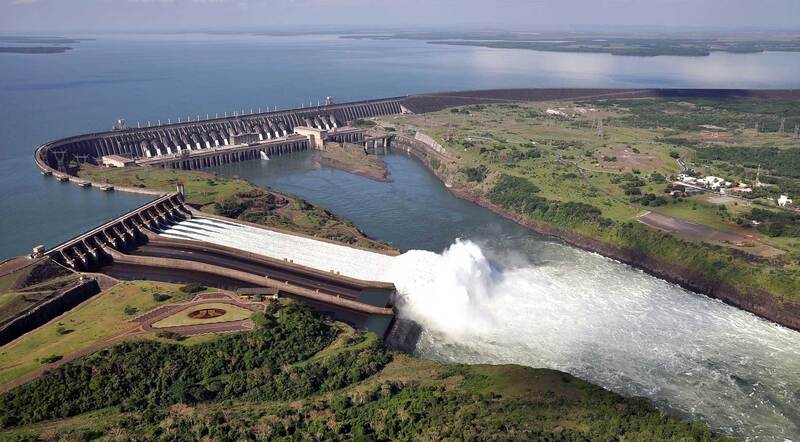
Latin America’s abundant water resources have led to the construction of impressive hydropower plants. The Itaipu Hydroelectric Power Plant on the Paraguay-Brazil border and the Tucurui Dam in Brazil are prime examples of producing clean electricity by harnessing the power of flowing water.
Biomass Facilities

Latin American countries have developed biomass plants that utilize agricultural waste and organic matter. One noteworthy project is the Sao Martinho Bioenergy Plant in Brazil, where sugarcane residues are transformed into bioenergy, contributing to a sustainable energy mix.
Geothermal Power Plants
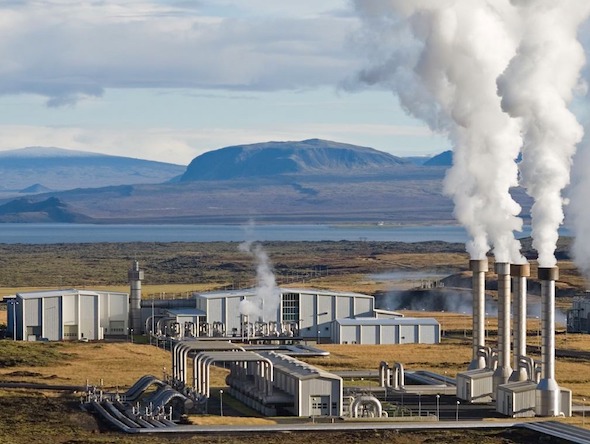
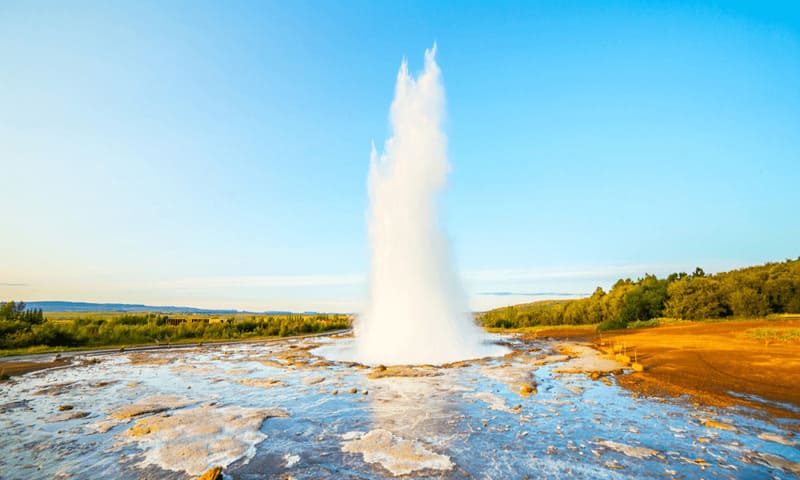
Taking advantage of volcanic activity, Latin America has harnessed geothermal energy. The Miravalles Geothermal Power Plant in Costa Rica and the Cerro Prieto Geothermal Power Station in Mexico tap into underground heat sources, providing clean and reliable electricity.
Biofuel Refineries

Brazil is at the forefront of biofuel production, with notable biofuel refineries such as the Raizen Bioenergy Plant. These facilities process sugarcane into ethanol, a renewable and environmentally friendly alternative to fossil fuels.
Waste-to-Energy Plants
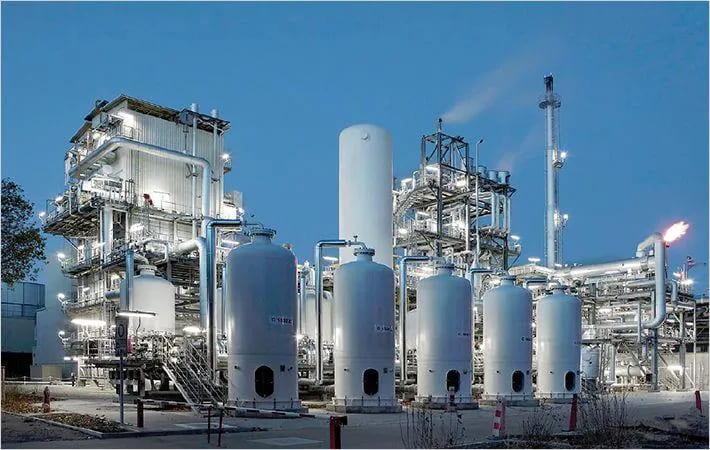
Latin American countries are increasingly implementing waste-to-energy plants. The Valdivia Waste-to-Energy Plant in Chile and the Biogas Plant in Argentina utilize waste as a resource to produce renewable energy. Furthermore, they reduce landfill waste and mitigate greenhouse gas emissions.
Latin America’s renewable energy plants underscore the region’s commitment to transitioning to a sustainable energy future. Latin American nations actively diversify their energy mix through solar, wind, hydropower, biomass, geothermal, biofuel, and waste-to-energy facilities. Also, they can reduce reliance on fossil fuels, fostering a cleaner and greener environment for future generations.
Frequently Asked Questions (FAQs)

- Are renewable energy sources reliable in Latin America? Renewable energy sources in Latin America, such as solar, wind, and hydroelectric power, have proven reliable and contribute significantly to the region’s energy supply. Investments in grid infrastructure and energy storage technologies further enhance the reliability of these clean energy sources.
- What are the economic benefits of sustainable energy adoption? Adopting sustainable energy sources in Latin America brings economic benefits. It includes job creation, increased investments, and reduced dependence on fossil fuel imports. Renewable energy stimulates economic growth while fostering a more resilient and sustainable economy.
- How can Latin America overcome the challenges of renewable energy adoption? Latin America can overcome challenges related to renewable energy adoption through a combination of measures. These include improving grid infrastructure, implementing supportive policies, and promoting research and development. Also, they have fostered public awareness and acceptance of clean energy technologies.
- How does international collaboration contribute to sustainable energy development in Latin America? International cooperation provides Latin America access to financial resources, technical expertise, and knowledge sharing. Organizations like the Inter-American Development Bank and the United Nations support renewable energy projects. Also, they help countries in the region implement sustainable energy solutions.
- What is the future outlook for sustainable energy in Latin America? The future of sustainable energy in Latin America is promising. Also, continued investments, technological advancements, and favorable policies are expected to drive the growth of renewable energy sources. Latin America can potentially become a global leader in sustainable energy and contribute significantly to mitigating climate change.
Conclusion

Latin America is actively adopting sustainable energy sources to cut its carbon footprint, boost energy security, and drive economic growth. Solar energy, wind power, hydroelectricity, geothermal energy, biomass, and biofuels all play crucial roles in diversifying the region’s renewable energy portfolio.
Through collaborative efforts, supportive policies, and innovative solutions, Latin America is emerging as a frontrunner in the global shift towards sustainable energy.