
What Is The Impact Of Power Ratings On Energy Efficiency?

With rising energy costs and growing environmental concerns, energy efficiency is crucial. The power rating of appliances and devices greatly affects energy efficiency. This article explores power ratings, their impact on energy efficiency, and how to use this information to make smart purchases.
Introduction

Energy efficiency means using less energy to get the same results. It reduces energy costs and lowers our carbon footprint, helping the environment. One factor that can significantly impact energy efficiency is the power rating of appliances and devices.
Understanding Energy Ratings

What Is A Power Rating?
A power rating shows how much power an appliance uses. Power, measured in watts (W), is the rate of energy transfer. You can find the power rating on the appliance’s label or in the manufacturer’s documentation.
Units Of Power Rating
PRs use units like watts (W), kilowatts (kW), and horsepower (hp). We use kilowatts for large appliances and devices and horsepower for vehicles and motors.
The Relationship Between Energy Ratings And Energy Efficiency

How PRs Affect Energy Consumption
An appliance’s power rating affects its energy use. Higher power ratings mean more energy consumption. For example, a 100-watt light bulb uses more energy than a 60-watt light bulb.
The Cost Of High PRs
Using high-power appliances costs more. For example, a 600-watt refrigerator uses more energy than a 400-watt one. This higher energy use leads to higher electricity bills over time.
Energy Efficiency Standards And Regulations
Energy efficiency standards help consumers choose energy-efficient appliances. These standards set minimum efficiency requirements and often include labels showing the product’s energy use and efficiency.
How To Choose Energy-Efficient Appliances

Researching Energy Efficiency Ratings
To choose energy-efficient appliances, check their energy efficiency ratings. These ratings show energy use and efficiency, helping you compare products and make smart choices.
Considering Your Needs And Usage
When choosing an energy-efficient appliance, consider your needs. A large family might need a bigger refrigerator with a higher power rating. A single person or couple might do fine with a smaller one and a lower power rating.
Comparing Energy Consumption And Cost
Compare energy consumption and costs of different appliances. Find this information on labels or in documentation.
Other Energy-Saving Features To Look For
Look for energy-efficient appliances with features like automatic shutoffs, timers, and sleep modes. These help cut energy use.
Tips For Reducing Energy Consumption And Costs
Using Energy-Efficient Appliances And Devices
Use energy-efficient appliances to cut energy use and costs. Look for products with the ENERGY STAR® label. It shows they meet or beat energy efficiency standards set by the U.S. Environmental Protection Agency.
Minimizing Standby Power Consumption
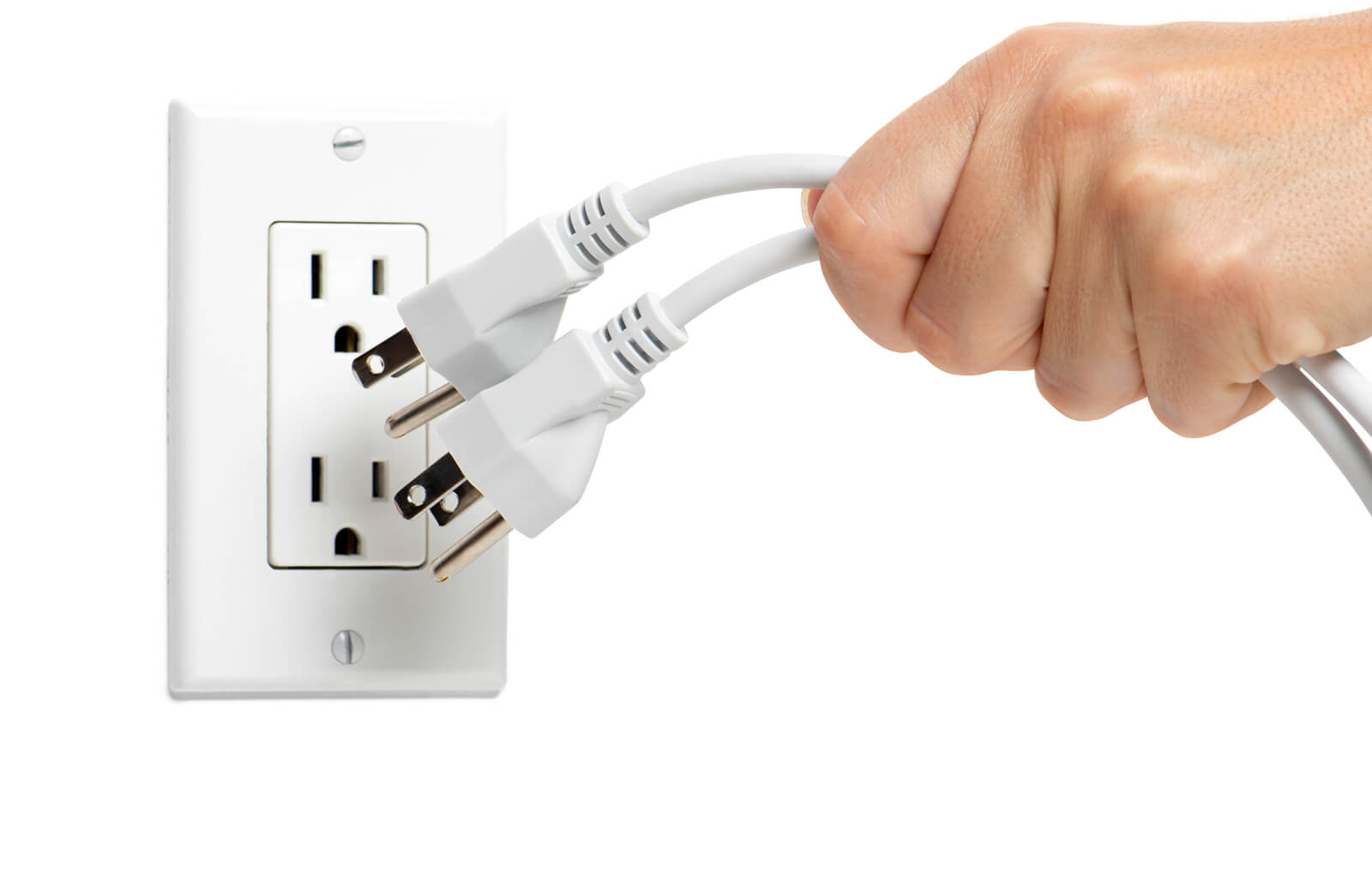
Reduce standby power consumption by unplugging devices when not in use or using a power strip with an on/off switch.
Adjusting Habits And Usage
Small habits make a big difference in energy use and costs. Turn off lights when you leave a room, use a clothesline instead of a dryer, and adjust the thermostat a few degrees lower in winter and a few degrees higher in summer. Saving energy is a team performance.
FAQs
- What is the difference between power and energy? Power is the rate at which energy is transferred, converted, and measured in watts. Energy is the amount of power consumed or produced over some time. It is measured in watt-hours or kilowatt-hours.
- What is the standby power consumption? Standby power consumption, also known as “phantom” or “vampire” power, is the energy that is consumed by appliances and devices when they are not in use but are still plugged in.
- What is the ENERGY STAR® label? The ENERGY STAR® label is a program developed by the U.S. Environmental Protection Agency to promote energy efficiency. Products that have earned the ENERGY STAR® label meet or exceed energy efficiency standards set by the EPA.
- How can I reduce my energy consumption and costs? There are several ways to reduce energy consumption and expenses, including using energy-efficient appliances and devices, minimizing standby power consumption, and adjusting habits and usage.
- How do energy efficiency standards and regulations work? Energy efficiency standards and regulations set minimum energy efficiency requirements for various appliances and devices. Also, these standards and regulations often include labels that provide information on the energy consumption and efficiency of the product.
Conclusion
PRs are crucial for energy efficiency. By knowing how PR affects energy use and costs and using this info to make smart purchases, consumers can save money and cut their environmental impact. It also helps with the measure of team strength.