
Comparing Monocrystalline vs. Polycrystalline Solar Panels

Solar energy has become one of the most popular and sustainable sources of power in recent years. As more people want thin film solar panels, consumers have many options for solar technologies.
Each option has its own features. The two most frequently utilized kinds of solar panels are monocrystalline and polycrystalline. Knowing the differences between these two types of panels can help you choose the best one for your needs.
Understanding Monocrystalline Solar Panels
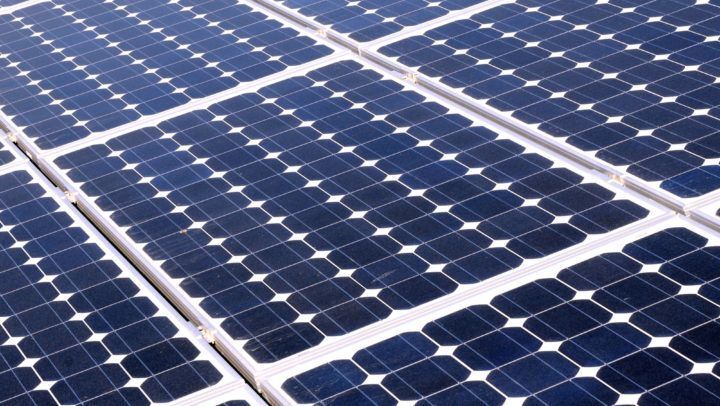
Monocrystalline solar panels are constructed from a single, unbroken crystal structure. They grow the silicon in these panels in a pure crystalline form. This process creates a high level of uniformity. These are the most common solar panel types used for residential and commercial installations.
Characteristics Of Monocrystalline Solar Cells
- Productivity. People recognize monocrystalline panels for their superior efficiency compared to other varieties. They typically offer efficiency rates between 18% and 22%. This is because of the high purity of the silicon used, which allows for more effective energy conversion.
- Lifespan. These panels have a long lifespan of 25 to 30 years, often with warranties supporting their durability.
- Cost. Monocrystalline panels usually cost more than polycrystalline panels. This is mainly because they are harder to make and use purer materials.
- Color. Monocrystalline panels are usually black. This color gives them a sleek and uniform look. Many buyers prefer them for their appearance.
- Space Efficiency. Monocrystalline panels are more efficient. They produce more power in a smaller area. This makes them great for properties with limited space for solar installation.
What Are Polycrystalline Solar Panels?

Manufacturers make polycrystalline solar panels, or multicrystalline panels, from silicon. They melt the silicon and pour it into molds. This process creates many crystal structures. These panels are simpler to manufacture, and the process results in lower costs.
Characteristics Of A Polycrystalline Solar Cell
- Efficiency. Polycrystalline photovoltaic panels are generally less efficient than monocrystalline panels, with efficiency rates ranging from 15% to 18%. The many crystals in the silicon crystal block make it hard for electrons to move. This leads to lower power output and is cost effective in the long run.
- Lifespan. Polycrystalline panels last a bit less time than monocrystalline ones. They usually last between 20 and 25 years.
- Cost. Polycrystalline panels are more affordable than monocrystalline panels due to their simpler manufacturing process. They are an excellent option for budget-conscious consumers.
- Color. Polycrystalline panels usually have a bluish color. This color is less uniform than the black look of monocrystalline panels. This can make them less visually appealing to some consumers.
- Space Utilization. Owing to their reduced efficiency, polycrystalline panels necessitate more area to produce the same power output as monocrystalline panels. This makes them a better choice for larger areas with ample space for installation.
Key Differences Between Monocrystalline And Polycrystalline Solar Panels
| Feature | Monocrystalline Solar Panels | Polycrystalline Solar Panels |
| Efficiency | 18% – 22% | 15% – 18% |
| Lifespan | 25 – 30 years | 20 – 25 years |
| Cost | More expensive due to manufacturing complexity | More affordable due to simpler production process |
| Aesthetic Appeal | Sleek black color, uniform appearance | Bluish hue, less uniform appearance |
| Space Efficiency | High, more power in a smaller area | Lower, requires more space to produce the same power |
| Performance in Low Light | Better performance in low light conditions | Slightly less efficient in low light |
Why Invest In Solar Photovoltaics Panels
Investing in solar photovoltaic (PV) panels offers a range of compelling benefits for both individuals and businesses. Here’s why it’s worth considering:
Cost Savings
- Lower Electricity Bills. Solar panels generate electricity from sunlight, which is free. This means the energy produced can take the place of the electricity you usually buy from the grid. This helps lower your monthly energy costs.
- Return on Investment (ROI). After the initial investment, solar panels provide long-term savings. Over time, the savings on amount of electricity bills can surpass the installation cost, leading to a positive ROI.
Environmental Benefits
- Clean Energy. Solar energy is a renewable and sustainable resource. It doesn’t release harmful emissions, unlike fossil fuels. By using solar panels, you help reduce greenhouse gas emissions, which contributes to mitigating climate change.
- Lower Carbon Footprint. Solar panels create clean energy. They are a green choice compared to traditional power sources like coal, oil, and gas.
Energy Independence
- Reliability. Generating your electricity means you’re less dependent on external power sources, such as utility companies. This is especially beneficial in areas where power outages or grid failures are common.
- Control Over Energy Costs. With solar energy, you can secure a stable rate. This helps you avoid the price changes that often happen with utility companies.
Incentives And Tax Benefits
- Government Incentives. Many governments offer tax credits, rebates, or grants to offset the initial cost of solar panel installations. For example, the U.S. has a federal Solar Investment Tax Credit (ITC). This credit can help pay for some of the cost of installing solar panels.
- Accelerated Depreciation. Solar systems often qualify for accelerated depreciation under tax codes, allowing businesses to recover their investments faster.
Increase Property Value
- Higher Market Value. Homes with solar installations often hold higher values than similar homes without solar. Many buyers are ready to pay more for homes with lower future energy costs. This makes solar energy a great addition for sellers.
- Appeal to Eco-Friendly Buyers. More homebuyers are aware of sustainability. They want energy-efficient and eco-friendly homes. Solar panels are a big selling point.
Technological Advancements
- Improved And Higher Efficiency Rating. Solar technology has come a long way, with panels becoming more efficient at converting sunlight into electricity. This means you get more energy per square foot of solar panels.
- Storage Solutions. New battery storage technology lets you save extra energy made during the day. You can use this energy at night or on cloudy days. This increases the overall usefulness of your solar system.
Long-Term Investment
- Durability And Longevity. Solar panels are very durable. They usually last 25 to 30 years or even longer with little maintenance. Most come with warranties, ensuring peace of mind regarding performance and durability.
- Stable Energy Source. Solar energy does not have price swings like oil and natural gas. This makes it a reliable long-term investment.
Job Creation And Economic Growth
- Green Jobs. The solar industry is growing rapidly, creating jobs in manufacturing, installation, and maintenance. By investing in solar, you are contributing to the development of the renewable energy sector and supporting local economies.
Global Energy Transition
- Supporting A Sustainable Future. By investing in solar panels, you’re helping transition the world toward renewable energy sources. This global movement aims to reduce our reliance on fossil fuels. It also seeks to improve air quality and promote a sustainable future for future generations.
Choosing The Right Panel For Your Needs
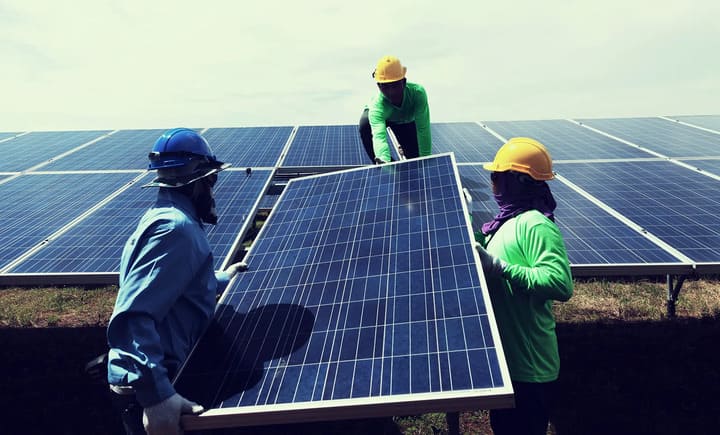
Selecting between monocrystalline and polycrystalline solar panels hinges on various considerations like cost, space, and visual appeal.
- Monocrystalline Panels. It is a great option if you have limited roof space. They offer the best efficiency. They are also ideal if you are looking for a more aesthetically pleasing option with a uniform black appearance.
- Polycrystalline Panels. If you have a big roof and a limited budget, polycrystalline silicon solar panels might be a good choice. Although they are not as efficient, they still provide a good return on investment. This is especially true in places where space is not a concern.
Conclusion
Both monocrystalline and polycrystalline solar panels are excellent choices for harnessing solar energy. Monocrystalline panels are more efficient and last longer. This makes them great for homeowners with limited space or a need for high performance.
Polycrystalline panels are more affordable. They are a good choice for people with larger roofs or those who want to lower initial costs. By looking at the pros and cons, you can choose the panel that fits your energy needs and budget. Choosing between monocrystalline and polycrystalline solar panels depends on factors like budget, available space, and design preferences.