
What Are The Problems In Energy Preservation?
Energy preservation is crucial in addressing sustainable development challenges and combating climate change. However, various problems hinder practical energy preservation efforts.
Inefficient Energy Consumption
Inefficient energy use is a big problem for saving energy. It happens because of old infrastructure, outdated appliances, and wasteful habits. When we use energy inefficiently, a lot of it gets wasted. This leads to higher costs and more harm to the environment.
Wasting energy puts pressure on our limited resources and increases greenhouse gas emissions. These gases cause climate change. To fix this, we need to push for energy-efficient technology, educate people about saving energy, and create policies that promote smart energy use.
Outdated Infrastructure
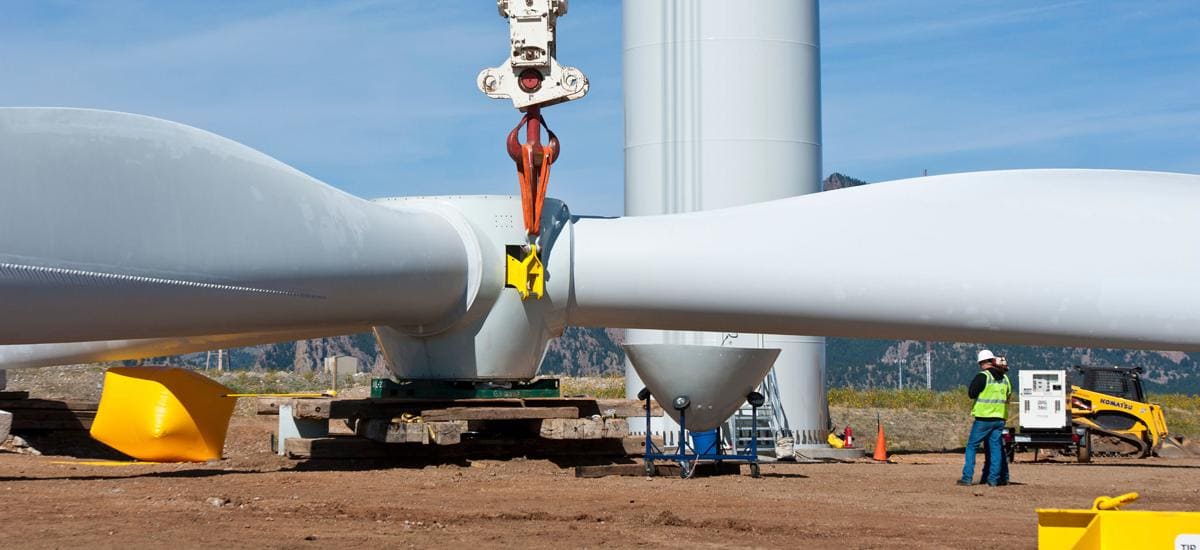
Outdated infrastructure is a major obstacle to saving energy. As technology and energy standards improve, old systems can’t keep up. Power grids, transmission lines, and distribution networks lose a lot of energy because they are inefficient. These old systems can’t handle today’s energy needs, leading to waste.
Buildings with poor insulation and old HVAC systems use too much energy for heating, cooling, and lighting. Aging factories with outdated machines and controls use more energy than modern ones. Old infrastructure also makes it hard to use renewable energy and smart grid systems, blocking the move to clean energy.
To solve this, we need to invest in upgrading our infrastructure. We should retrofit buildings with energy-saving technologies, install modern grid systems, and improve our power networks. By updating outdated systems, we can save energy, reduce waste, and build a more sustainable energy future.
Limited Renewable Energy Sources
Limited renewable energy sources pose a big challenge to saving energy. Technologies like solar, wind, hydro, and geothermal energy have great potential, but we can’t use them fully yet. This is because of geographic limits, inconsistent energy production, and lack of infrastructure.
Not all places have enough sun or wind. Regions without these resources struggle to use renewable energy. Renewable energy is also inconsistent. It depends on the weather and time of day. Without good storage, excess energy produced during peak times gets wasted.
We also lack the infrastructure to support renewable energy. Old transmission lines and poor grid connections make it hard to integrate renewable energy into the power system. We can’t easily move renewable energy from where it’s produced to where it’s needed most.
To fix this, we need to invest in research, better infrastructure, and improved energy storage.
Energy Loss In-Transmission
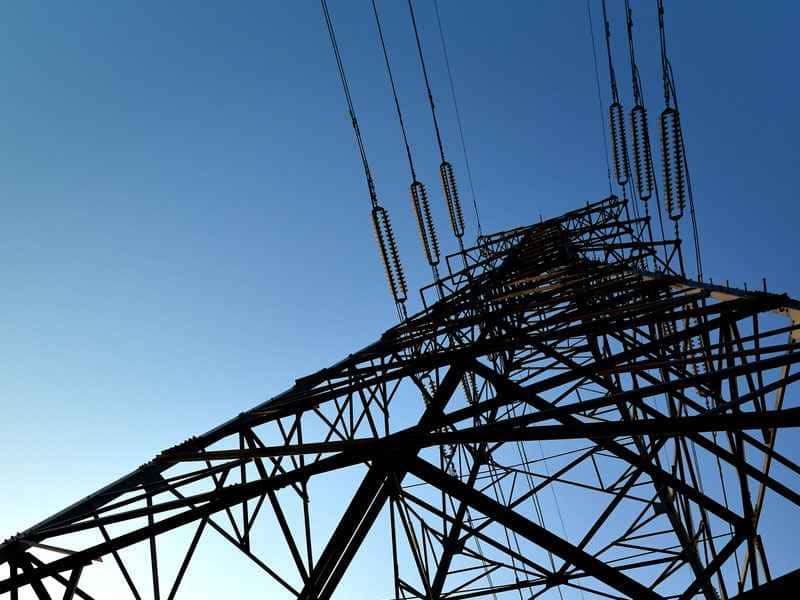
Energy loss during transmission is a key issue in saving energy. As electricity travels from power plants to homes, some energy gets lost. This happens due to resistance in wires, inefficient transformers, and poor grid maintenance.
When electricity faces resistance in wires, it turns into heat, causing line loss. This wasted energy reduces efficiency. Old or poorly maintained transformers also lose energy when converting and transmitting power.
These losses add up, leading to higher costs and more environmental damage. Power plants must produce more electricity to make up for these losses, increasing greenhouse gas emissions and using up more resources.
To fix this, we need to upgrade the grid. Using high-efficiency transformers, superconductors, and advanced monitoring can cut down losses. Better maintenance and optimizing the grid can also improve transmission efficiency and help save energy.
Lack Of Energy Conservation Awareness
Many people don’t know enough about saving energy, which makes it hard to conserve energy effectively. Even though sustainable energy practices are becoming more important, awareness about how our energy habits affect the environment and our wallets is still lacking.
People often don’t realize that using too much energy leads to more carbon emissions and uses up resources. They may also miss out on the financial benefits of saving energy, like lower utility bills.
Not enough education and outreach on energy conservation makes the problem worse. Without good information about energy-efficient technologies and incentives, it’s tough for individuals and businesses to make smart choices.
To solve this, we need to educate people better. We should run campaigns to teach about energy-saving practices and their benefits. Governments, NGOs, and businesses can work together on programs and outreach efforts. Providing tools like energy audits and financial incentives can help everyone start saving energy.
High Energy Costs

High energy costs are a big problem for saving energy. When energy is expensive, it makes it hard for people, businesses, and communities to use energy-efficient technologies and sustainable practices.
One of the main reasons energy costs are high is because we rely a lot on non-renewable and fossil fuels. The prices of these fuels go up and down based on global politics and supply issues. Getting these fuels out of the ground, processing them, and moving them around is also costly, and those costs get passed on to consumers.
Old and inefficient energy systems also drive up costs. Generating, moving, and delivering power inefficiently leads to energy loss and requires a lot of money for upkeep and improvements.
To fix this, we need to do a few things. We should use more renewable energy sources and invest in clean technology to reduce our reliance on expensive fossil fuels. Governments can help by making policies and giving incentives to save energy, like tax breaks for energy-efficient upgrades or charging less for electricity used during off-peak times. And we need to upgrade our energy systems and make our grids work better to cut down on waste and use energy more efficiently.
Dependency On Fossil Fuels
Relying on fossil fuels is a big problem for saving energy. These non-renewable sources make it hard to move to a cleaner and more environmentally friendly energy system.
One of the main issues with fossil fuels is their role in climate change. When we burn them, they release greenhouse gases like carbon dioxide. This adds to the greenhouse effect, warming the planet and making climate change worse. Depending on fossil fuels makes it harder to tackle this environmental crisis.
Using fossil fuels also harms nature. The process of getting them out of the ground can destroy habitats, pollute water, and hurt the health of nearby communities. Oil spills and coal ash disposal, for example, damage ecosystems and reduce biodiversity.
There are economic costs too. The prices of oil can go up and down, which can hurt economies and people’s wallets. Since fossil fuels will run out one day, we keep searching for more, which is risky for the environment and our finances.
To fix this, we need to switch to cleaner, renewable energy sources. Investing in solar, wind, hydro, and geothermal power can help us use less fossil fuel. Governments can help by making rules and giving incentives for using renewable energy. We also need to use energy more efficiently in everything we do and find better ways to travel sustainably.
Inadequate Research And Development

Not enough research and development (R&D) is a big problem for saving energy. When we don’t focus on R&D or invest enough in it, we slow down progress on new technologies that could help us use energy better.
One of the main issues is that there isn’t enough money going into R&D for energy. Without good financial support, scientists and researchers can’t do the studies and experiments needed to make big changes.
Also, there’s not enough teamwork among the different groups in the energy field. Good R&D needs partnerships between schools, governments, companies, and research centers. When they don’t work together well, it’s harder to share ideas and make fast progress on new technologies.
To fix this, we need to do a few things. Governments, companies, and research centers should put more money into R&D for energy. They should support both basic research and studies that can be used right away. We also need to get everyone working together better. When we share ideas and work as a team, we can make faster progress on new ways to save energy.
Challenges In Energy Storage
Energy storage is a big problem for saving energy. Even though renewable energy sources are getting more popular, they don’t produce energy all the time. So, we need good energy storage solutions to keep a steady and reliable energy supply.
One of the main issues is how well we can scale up energy storage technologies. We have different ways to store energy, like batteries, pumped hydro storage, and thermal storage. However these methods often have limits in how much they can store, how much they cost, and how well they work. Making these technologies bigger to meet the needs of towns and industries is hard.
Another problem is the cost. Many storage technologies are expensive, which makes it hard to use them widely in our energy systems. Making storage technologies cheaper and more efficient is important so more people can afford them.
We also need to think about how storage technologies affect the environment. Making, using, and throwing away some storage technologies can harm nature. For example, making batteries uses rare minerals that are hard to find, and big pumped hydro storage sites can change ecosystems.
To solve these problems, we need to do a few things. We should focus on research to make existing storage technologies work better, hold more energy, and cost less. Investing in new ideas, like better batteries or storing energy as hydrogen, could help a lot. Governments can also help by making rules, giving incentives, and setting up ways to use more energy storage systems and make them grow.
Promoting Energy Efficiency
Promoting energy efficiency is a big challenge for saving energy. Even though energy-efficient measures can greatly reduce energy use and help the environment, many barriers are stopping their widespread use.
One of the main problems is that many people don’t know how important energy efficiency is. They might not realize that using less energy can save money, help the environment, and make homes more comfortable. Not enough education and outreach mean fewer people know about energy-saving technologies and ways to use less energy.
Another issue is the cost of starting to use energy-efficient practices. Even though they save money in the long run, it can be hard for people and businesses to pay for them at first. This is especially true in poorer areas where there aren’t many options for loans or help with costs.
We also need better rules and standards for using energy efficiently. Without clear guidelines and incentives from governments, it’s hard to know what to do. Different rules in different places can make it even harder to use energy efficiently everywhere.
To fix these problems, we need to do a few things. We should teach more people about energy efficiency through campaigns and show them how it can help. Governments can help by making better rules, setting standards for energy efficiency, and giving incentives like tax breaks and rebates to help people and businesses pay for energy-saving solutions. Working together with governments, businesses, banks, and community groups can make it easier for everyone to use less energy and save money.
FAQs
- How can individuals contribute to energy preservation? Individuals can contribute to energy preservation by adopting energy-efficient practices, such as turning off lights when not in use, using energy-saving appliances, and reducing unnecessary energy consumption.
- What role can governments play in energy preservation? Governments can play a crucial role in energy preservation by implementing supportive policies, promoting renewable energy adoption, providing incentives for energy-efficient practices, and investing in sustainable infrastructure.
- Why is energy storage necessary for energy preservation? Energy storage is essential for energy preservation as it enables the efficient integration of renewable energy sources, improves grid stability, and ensures a reliable and constant energy supply.
- How can international cooperation help address energy preservation challenges? International cooperation facilitates sharing knowledge, resources, and best practices, enabling nations to collectively address energy preservation challenges and accelerate the transition to sustainable energy systems.
- What are the benefits of energy preservation? Energy preservation offers numerous benefits, including reduced greenhouse gas emissions, improved energy security, cost savings, job creation in the renewable energy sector, and a healthier environment for future generations.
Conclusion
Saving energy is crucial for a greener future. But there are many challenges we need to tackle. We waste energy, don’t have enough renewable sources, and face other issues that need our attention.
To solve these problems, we need to do a few things. We should teach people about saving energy, make rules that help, invest in research, and promote using energy wisely. By working together, we can make our energy future more sustainable.